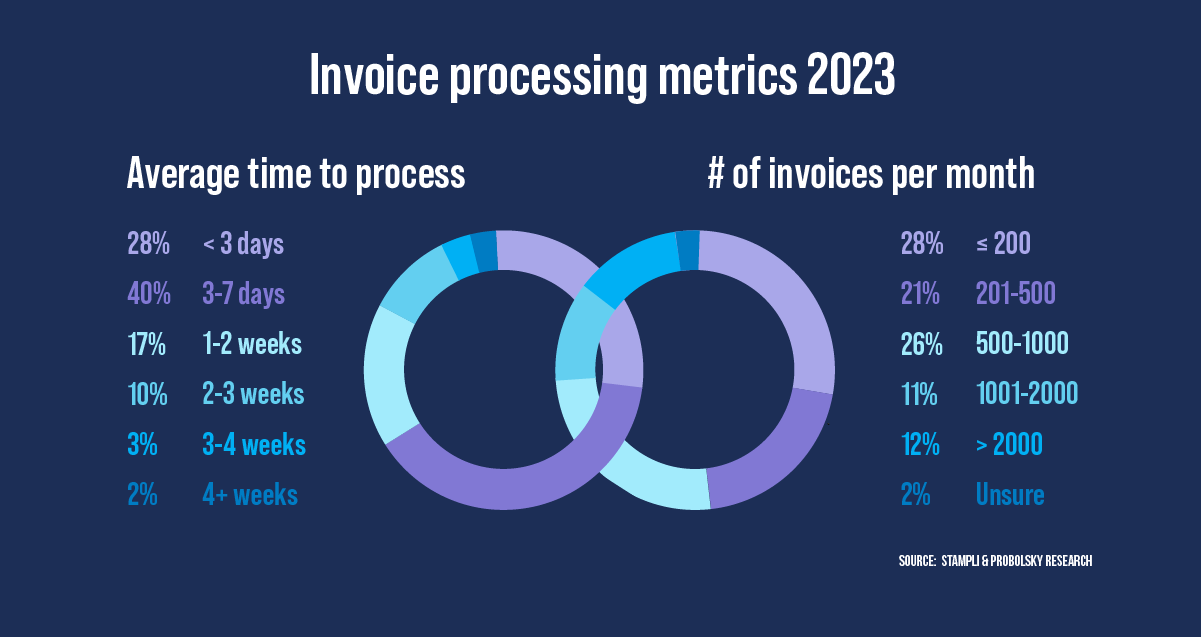
Managing accounts payable efficiently is critical for maintaining healthy cash flow and strong vendor relationships. Delays in invoice approvals, manual data entry, and poor visibility often slow down finance operations and impact business performance. This is where turnaround time improvement becomes essential for modern organizations. By adopting accounts payable process automation, businesses can significantly reduce processing delays, eliminate errors, and ensure invoices are approved and paid on time. Automation helps finance teams work faster, stay compliant, and focus on more strategic tasks instead of repetitive manual work.
Understanding Accounts Payable Challenges
Accounts payable is a core financial function, but it is often burdened with inefficiencies. In many organizations, invoices arrive through multiple channels such as email, paper, or vendor portals. Finance teams then manually enter invoice details, verify information, route invoices for approval, and follow up with approvers. This process is time-consuming and prone to errors.
Common challenges include delayed approvals, missing invoices, duplicate payments, and lack of visibility into invoice status. These issues directly affect turnaround time and can lead to late payments, strained vendor relationships, and missed early payment discounts. As transaction volumes grow, these problems become even more difficult to manage without automation.
What Is Accounts Payable Process Automation
Accounts payable process automation uses digital tools to automate and manage the entire invoice lifecycle. This includes invoice capture, data extraction, validation, approval routing, and payment processing. Automation replaces manual tasks with rule-based workflows, ensuring invoices move smoothly from submission to payment.
With automation, invoices can be captured digitally and processed faster. Approval workflows are predefined, so invoices are routed to the right stakeholders without manual intervention. Notifications and reminders ensure approvals do not get stuck, helping finance teams maintain consistent turnaround times.
How Automation Improves Turnaround Time
One of the biggest advantages of accounts payable automation is faster processing. Automated systems reduce the time spent on data entry and manual verification. Invoice details are captured accurately, and validation checks are performed automatically, reducing rework.
Approval workflows play a major role in turnaround time improvement. Instead of sending invoices through emails or physical files, automation routes invoices instantly based on rules such as amount, department, or vendor. Approvers receive alerts and can approve invoices quickly from anywhere.
Automation also improves visibility. Finance teams can track the status of every invoice in real time, identify bottlenecks, and take action before delays occur. This transparency helps organizations maintain consistent processing timelines and avoid last-minute rushes.
Key Benefits for Finance Teams
Accounts payable automation delivers clear benefits that go beyond speed. Accuracy improves significantly because automated systems reduce manual errors such as duplicate entries or incorrect amounts. This leads to fewer disputes with vendors and less time spent correcting mistakes.
Cost control is another major benefit. Faster invoice processing allows businesses to take advantage of early payment discounts and avoid late payment penalties. Automation also reduces operational costs by minimizing manual effort and paperwork.
Compliance is easier to manage with automated workflows. Approval rules ensure invoices follow company policies, and audit trails capture every action taken on an invoice. This makes audits simpler and improves financial governance.
Impact on Vendor Relationships
Vendors expect timely and accurate payments. Delayed or incorrect payments can damage trust and disrupt supply chains. By improving turnaround time through automation, organizations can pay vendors on time and maintain strong relationships.
Automation also improves communication with vendors. Since invoice status is clearly tracked, finance teams can respond quickly to vendor queries. Some systems even allow vendors to submit invoices digitally and track payment status, reducing back-and-forth communication.
Strong vendor relationships contribute to better pricing, priority service, and long-term partnerships, all of which support business growth.
Scalability and Business Growth
As organizations grow, invoice volumes increase. Manual accounts payable processes struggle to scale, leading to more delays and errors. Accounts payable automation is designed to handle higher volumes without compromising efficiency.
Automated workflows can be easily adjusted to accommodate new vendors, additional approval layers, or changing compliance requirements. This flexibility ensures that turnaround time improvement is maintained even as the business expands.
Automation also supports remote and hybrid work environments. Approvals can happen from any location, ensuring business continuity and uninterrupted finance operations.
Overcoming Implementation Challenges
While the benefits are clear, some organizations hesitate to adopt automation due to concerns about change management or system complexity. Employees may be comfortable with existing processes and unsure about new tools.
These challenges can be addressed with clear communication and training. When teams understand how automation simplifies their work and reduces pressure, adoption becomes easier. Choosing user-friendly solutions with intuitive interfaces also helps ensure a smooth transition.
Data accuracy and system integration are other important considerations. Successful automation requires clean data and seamless integration with accounting or ERP systems. Proper planning and phased implementation help organizations achieve better results.
Conclusion
Improving turnaround time in accounts payable is no longer optional for businesses aiming to stay competitive and financially healthy. Accounts payable process automation offers a practical and effective way to eliminate delays, reduce errors, and improve visibility across financial operations. By automating invoice capture, approvals, and tracking, finance teams can process invoices faster and with greater confidence.
Beyond efficiency, automation strengthens vendor relationships, improves compliance, and supports long-term scalability. While implementation requires planning and change management, the long-term gains far outweigh the initial effort. Organizations that invest in accounts payable automation position themselves for smoother operations, better financial control, and sustained growth.
