Post Preview
Table of Contents
- Smart Leak Detection Systems
- Tankless Water Heaters
- Touchless Fixtures
- Eco-Friendly Materials
- Rainwater Harvesting Systems
- Advanced Filtration Systems
- Heat Recovery Systems
- Modular Plumbing Designs
The plumbing industry is in the midst of a technological revolution. As homes and businesses continue to strive for higher standards of convenience, efficiency, and sustainability, modern plumbing innovations are setting new industry benchmarks. Whether you are a homeowner seeking more innovative water management or a contractor updating building standards, understanding these advances can significantly impact comfort, safety, and long-term savings. For urgent needs, emergency plumbing services in Salt Lake City are available to address issues swiftly and professionally.
As concerns over water scarcity, utility costs, and environmental impact grow, plumbing solutions have become vital components in the broader shift toward greener living. These new systems not only promote resource conservation and cost efficiency, but also ensure households and commercial spaces are protected from costly damage and inconvenient interruptions.
Embracing innovative plumbing technologies means adopting devices and materials that enhance both everyday life and long-term property value. From early leak detection to eco-friendly construction, each innovation builds upon the mission to create more innovative, safer living environments.
The following sections examine the most impactful solutions shaping modern plumbing, demonstrating why their adoption is steadily becoming the standard across new builds and renovations alike.
Smart Leak Detection Systems
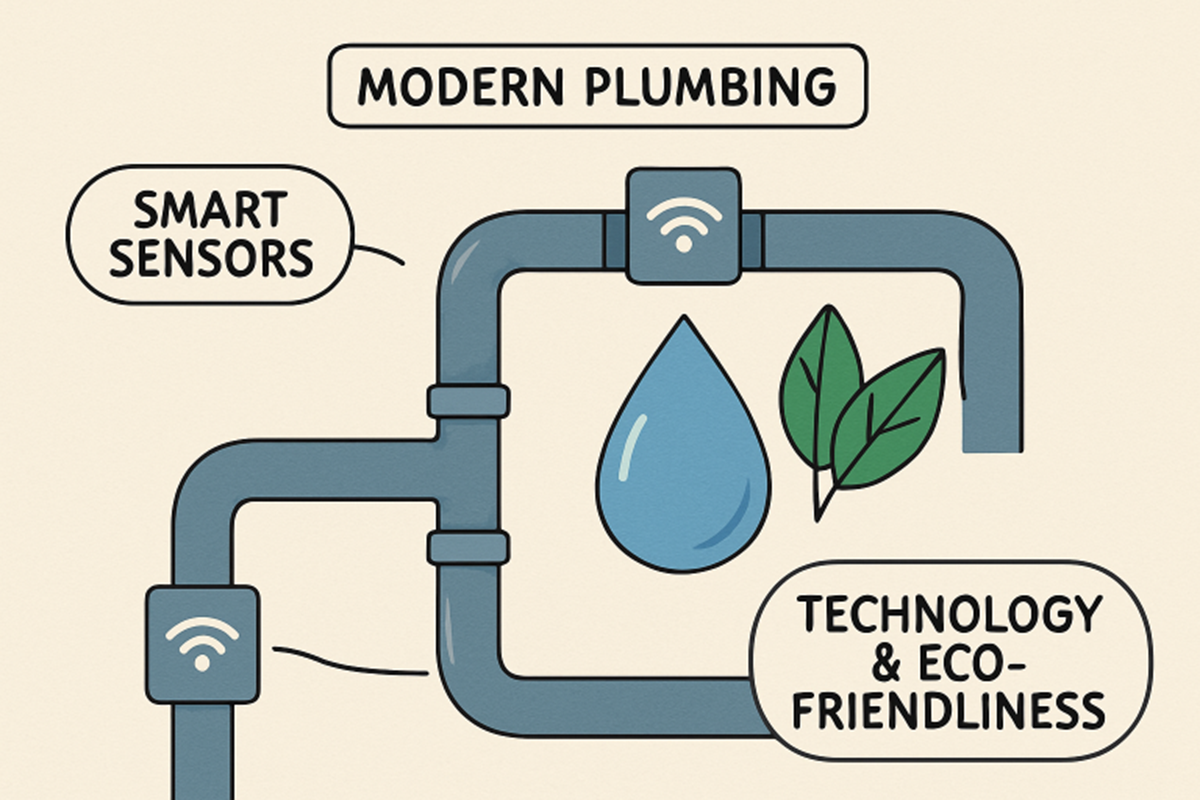
Water leaks often go unnoticed until they cause major damage or drive up utility bills. Smart leak detection systems harness the power of sensors and real-time connectivity to monitor water usage and spot leaks the moment they arise. Homeowners receive instant alerts on their smartphones about irregularities, and some systems can even automatically shut off the water to prevent flooding and extensive damage. As reported by The New York Times, investing in a leak detection system is among the most cost-effective ways to avoid water emergencies and property loss.
Tankless Water Heaters
Replacing bulky, traditional water tanks with tankless water heaters is a significant upgrade toward efficiency and space saving. Tankless systems only heat water as needed, meaning you are never left without hot water and do not pay to keep gallons warm while not in use. This approach can reduce energy bills by up to 30 percent, according to the U.S. Department of Energy. Their compact design is particularly well-suited for small living spaces or homes that want to free up utility closet space for storage or other uses.
Touchless Fixtures
Hygiene and water conservation are at the forefront of plumbing innovation. Touchless fixtures operate through motion sensors, allowing users to access faucets, toilets, or hand dryers without physical contact. This reduces the transmission of germs in kitchens and bathrooms. Many touchless fixtures also include water-saving features, such as low-flow aerators, that conserve water while still functioning efficiently. Businesses and households alike are increasingly adopting touchless technology to create a safer, cleaner environment.
Eco-Friendly Materials
The plumbing sector is shifting from traditional materials to sustainable alternatives. Cross-linked polyethylene (PEX) pipes and recycled metals are replacing PVC and copper pipes to reduce toxicity and environmental impact. PEX is flexible and durable, making installations easier and longer-lasting. Recycled-material fixtures not only help reduce landfill waste but also support a broader shift toward eco-friendly home construction and renovation practices.
Rainwater Harvesting Systems
Collecting and repurposing rainwater is a prudent method to supplement household water supply and ease the burden on municipal systems. Modern rainwater harvesting systems employ advanced filters and storage solutions, making the process cleaner, safer, and more accessible for urban and suburban homeowners. The harvested water can be used for landscaping, laundry, or flushing toilets, reducing metered water usage and lowering utility costs. The Environmental Protection Agency details how rainwater harvesting contributes to water sustainability and environmental preservation.
Advanced Filtration Systems
Ensuring access to clean and safe water for daily needs is a non-negotiable priority in modern homes. Advanced filtration systems go beyond simple carbon filters, offering multi-stage purification that targets harmful microbes, heavy metals, and emerging contaminants like microplastics. Many models now connect with smartphone apps or home automation systems for real-time reporting and maintenance reminders. High-quality water is essential for health and extends the lifespan of appliances and pipes.
Heat Recovery Systems
Heat recovery solutions maximize energy efficiency by capturing heat from wastewater, such as bath or shower water, and using it to preheat cold water entering the home. This reduces the workload on water heaters and can generate substantial energy savings over time. The adoption of heat recovery technologies helps homeowners lower their carbon footprint and contributes to the energy performance of newer green-certified buildings.
Modular Plumbing Designs
The move to modular plumbing systems enables fast, cost-effective, and flexible construction. Pre-assembled units integrate seamlessly into new or renovated spaces, reducing installation times and construction waste. These systems are particularly valuable in multi-unit residential and commercial projects, where standardized components streamline plumbing work and minimize costly site disruptions. The result is a better-managed construction schedule and improved project outcomes for all stakeholders.
The rise of innovative plumbing solutions highlights the industry’s role in promoting both convenience and responsible resource use. Whether incorporating leak sensors, rainwater harvesting, or modular systems, each innovation pushes the boundaries of efficiency and sustainability in the built environment. As adoption grows, homeowners and professionals alike can look forward to more resilient, cost-effective, and eco-conscious plumbing solutions.
