The call usually comes in the middle of the night. A daughter checking on her father. A landlord entering an apartment after neighbors complained about the smell. A spouse returning home from a business trip. In those first moments after discovering a death scene, the world stops. Your mind races between grief, shock, and the immediate question: What do I do now?
This guide exists to help you navigate one of the most difficult situations anyone can face – dealing with the aftermath of a death in a home or property. While nothing can prepare you for the emotional weight of this moment, understanding what comes next can provide some stability when everything feels uncertain.
The First Hour: What Happens Immediately After Discovery
If you’ve just discovered someone who has passed away, your priority is safety and proper notification. If there’s any possibility the person is still alive, call 911 immediately. If it’s clear they’ve been deceased for some time, you still need to contact authorities – but the response will be different.
When police and medical examiners arrive, they’ll document the scene and remove the deceased. What they won’t do – and what surprises most families – is clean up afterward. Many people assume emergency services handle this, but the reality is that cleanup falls to the property owner or next of kin. This becomes your responsibility, whether you’re ready for it or not.
During these first critical minutes, resist the urge to clean anything yourself. It’s a natural impulse to want to fix things, to erase what happened, to restore normalcy. But touching contaminated materials without proper protection puts you at serious risk. Bloodborne pathogens can survive on surfaces for days or even weeks, and exposure to bodily fluids can transmit HIV, Hepatitis B, Hepatitis C, and antibiotic-resistant bacteria like MRSA.
The coroner will likely give you a business card or information packet. Inside, you might find resources about funeral arrangements and grief counseling. Occasionally, they’ll also include information about cleanup services, though not always. If you’re in a rental property, notify your landlord immediately. If it’s your own home, contact your homeowners’ insurance – most policies cover this type of cleanup under “sudden and accidental” provisions.
Understanding What You’re Actually Dealing With
Death scenes vary dramatically depending on how someone passed away and how long they remained undiscovered. Each situation requires different cleanup approaches, and understanding what you’re facing helps you make informed decisions about next steps.
Undiscovered Deaths and Decomposition
When someone dies alone and isn’t found for days or weeks, decomposition creates biohazards that penetrate deep into building materials. The human body releases fluids as it breaks down – this isn’t something you can wipe away with household cleaners. These fluids seep through carpet into padding and subfloors. They saturate mattresses and box springs. They pool in low spots and follow gravity through floorboards into ceiling cavities below.
The smell is overwhelming and distinct. It’s not something you forget, and it’s not something that air fresheners can mask. Decomposition odors embed themselves in drywall, insulation, and ductwork. Opening windows might seem logical, but it can actually spread contamination through HVAC systems into other parts of the building.
Depending on environmental conditions – temperature, humidity, air circulation – decomposition progresses through stages. In summer heat, changes happen within hours. In winter cold, the process slows considerably. Either way, the longer someone remains undiscovered, the more extensive the damage and the more complicated the cleanup becomes.
Traumatic Deaths
Suicides, homicides, and accidents create different challenges. Blood can spray across walls and ceilings, pool on floors, and soak into any porous material it contacts. What looks like a small bloodstain on the carpet might have saturated a much larger area underneath. Blood follows gravity and seeps along baseboards, under cabinets, and into floor joists.
Tissue and bone fragments aren’t always obvious to untrained eyes. They can be scattered across a room or embedded in textured surfaces. Proper cleanup requires methodical inspection with specialized lighting that reveals biological material invisible to the naked eye.
Each type of traumatic death requires specific knowledge. Firearms create different patterns than other methods. The force involved determines how far materials travel and what surfaces they contact. Experienced cleanup professionals know where to look and how to verify that remediation is complete.
Deaths from Illness
Even when someone dies peacefully from illness, there can be biohazard concerns. Certain infectious diseases require special handling protocols. OSHA regulates bloodborne pathogen exposure for a reason – these materials can transmit HIV, Hepatitis B, Hepatitis C, and other infectious diseases that survive outside the body for extended periods.
If your loved one had a contagious illness like tuberculosis, MRSA, or C. difficile, their belongings and the space where they spent their final days need proper decontamination. Hospital beds, medical equipment, and frequently touched surfaces may all require specialized cleaning beyond what funeral homes or hospice services provide.
What Professional Cleanup Actually Involves
Understanding the cleanup process helps families know what to expect and why this work requires professional intervention rather than attempting it yourself.
Orchestrated natural integration of internal link anchor text.
Now I need to naturally integrate the first internal link here. The user wanted “professional crime scene cleanup teams” as an anchor text. Let me make it flow naturally.
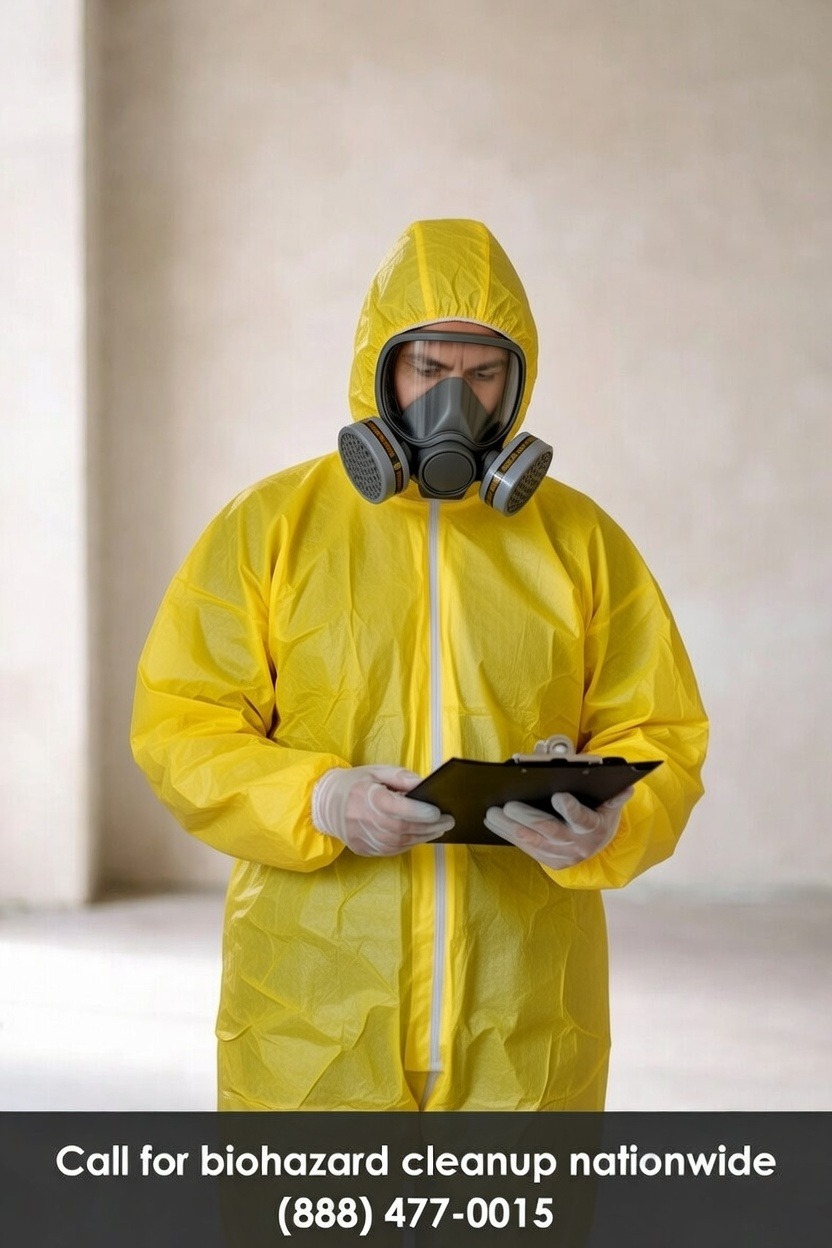
Professional crime scene cleanup teams arrive with specialized equipment that goes far beyond what you’d find at any hardware store. We’re talking hospital-grade disinfectants specifically formulated to destroy bloodborne pathogens, ATP meters that detect biological contamination at the molecular level, and personal protective equipment rated for the most hazardous materials.
The first step involves a thorough assessment. Technicians document everything with photos and detailed notes. They identify all affected areas, including places you might not expect. Blood and fluids travel in ways that aren’t immediately obvious. What happened in one room can affect adjacent spaces through shared walls, floors, or ventilation systems.
Containment comes next. Technicians seal off the work area to prevent cross-contamination. They establish negative air pressure in some cases, ensuring that any airborne particles don’t spread to clean areas. HEPA filtration systems scrub the air continuously throughout the cleanup process.
Removal of contaminated materials happens systematically. Carpet, padding, drywall, insulation – anything that absorbed biological material gets carefully removed and double-bagged in marked biohazard containers. Some materials can be cleaned and restored, but many can’t. The decision depends on what the material is made of, how deeply it’s been penetrated, and whether cleaning it creates more risk than replacing it.
After removal, intensive cleaning begins. Technicians apply enzyme-based cleaners that break down biological materials at a molecular level. These aren’t products you can buy at the store – they’re industrial-strength solutions designed specifically for biohazard remediation. Multiple applications are often necessary, with testing between each round to verify effectiveness.
Deodorization requires specialized equipment and techniques. Ozone generators, hydroxyl machines, and thermal fogging systems treat air and surfaces to eliminate odors that have penetrated beyond where cleaning can reach. This isn’t about masking smells – it’s about chemically neutralizing the compounds that create them.
The final phase involves verification testing. ATP swabs measure biological contamination levels, confirming that surfaces meet safety standards. Some companies use luminol or other detection methods to identify any remaining biological material. Only after everything tests clean does the job get signed off as complete.
Most cleanup jobs take anywhere from four hours to several days, depending on the size of the affected area and the extent of contamination. Simple blood cleanup on hard flooring might be completed in a few hours. Extensive decomposition cleanup in a carpeted home can take three or four days, especially if subfloor removal and replacement is needed.
Throughout the process, reputable companies document everything. Photos, disposal records, cleaning logs, and test results create a complete record. This documentation matters for insurance claims and provides peace of mind that the work was done properly.
Who Really Handles Crime Scene Cleanup?
Many people assume police or emergency services clean up after a death – they don’t. Once the coroner removes the body and investigators finish their work, they leave. The responsibility for cleanup falls to property owners or next of kin, and that’s where certified biohazard remediation specialists come in.
These aren’t general cleaning companies. They’re trained specifically in bloodborne pathogen handling, OSHA compliance, and compassionate family service. They understand the technical requirements of decontamination and the emotional weight these situations carry. Most importantly, their services are typically covered by homeowners insurance, so families aren’t facing these costs out of pocket during an already difficult time.
The best companies operate 24/7 because death doesn’t wait for business hours. They respond within hours, not days, because families need help immediately. They work discreetly, using unmarked vehicles and plain packaging, because neighbors don’t need to know the details of your private crisis.
Navigating Insurance Coverage During Crisis
Most people don’t realize their insurance covers biohazard cleanup until they need it. Understanding your coverage helps during a time when making phone calls and handling paperwork feels overwhelming.
Homeowners insurance typically covers crime scene and death cleanup under several policy provisions. The most common is “sudden and accidental” coverage, which applies to unexpected events like unattended deaths, suicides, and accidents. Some policies have specific biohazard cleanup riders. Others fold it into dwelling coverage or additional living expenses.
Renters insurance often includes similar provisions. Even though you don’t own the property, your policy may cover cleanup of your belongings and temporary housing if the space becomes uninhabitable. Your landlord’s insurance typically handles structural cleanup, but coordination between policies is necessary.
The claims process works differently than standard property damage claims. Insurance adjusters understand these situations are sensitive and often expedite processing. Most quality cleanup companies work directly with insurance providers, submitting documentation and handling billing so families don’t have to manage those details.
Coverage limits vary by policy, but biohazard cleanup typically falls well within standard limits. A comprehensive cleanup job might cost anywhere from $3,000 to $15,000 depending on the extent of contamination, but even that upper range stays within most policy limits. Some situations require additional expenses like replacing flooring or repainting, and these typically fall under restoration coverage.
Not everyone has insurance coverage, though. If you don’t have insurance or your policy doesn’t cover the situation, ask cleanup companies about payment plans. Some offer financing options. Local victim assistance programs may provide emergency funds for crime-related deaths. Religious organizations and community groups sometimes help families facing financial hardship after traumatic loss.
Questions to Ask Any Cleanup Company
When you’re hiring someone to handle biohazard cleanup, you’re trusting them during one of your worst moments. Not all companies operate with the same standards, and unfortunately, some take advantage of families in crisis. These questions help you identify qualified professionals versus companies you should avoid.
Certifications and Training: Ask about IICRC certification specifically. This organization sets industry standards for trauma and crime scene cleanup. Technicians should have documented training in bloodborne pathogen handling and OSHA compliance. If a company can’t provide proof of certification or seems vague about their training, that’s a red flag.
Insurance and Bonding: Legitimate companies carry substantial liability insurance and are fully bonded. This protects you if something goes wrong during cleanup. Ask for proof of insurance and verify it’s current. Companies that hesitate to provide this information or claim they “don’t need insurance” should not be hired.
Disposal Procedures: Biohazardous waste must be handled according to state and federal regulations. Ask how the company disposes of contaminated materials and whether they use licensed medical waste haulers. If they can’t explain their disposal process or mention taking materials to a regular landfill, walk away.
Pricing Structure: Reputable companies provide clear estimates upfront, though final costs may vary depending on what they find once work begins. Be wary of companies that won’t discuss pricing until they arrive or that pressure you to sign contracts before explaining costs. Get everything in writing.
Response Time and Availability: Quality companies operate 24/7 and respond quickly. If you’re calling at 3 AM and getting voicemail or being told they’ll get to you “sometime this week,” keep looking. Time matters in these situations, both for your emotional wellbeing and for preventing further contamination.
References and Reviews: Ask for references from past clients. Check online reviews, but remember that companies can’t always share details about their work due to privacy concerns. Look for patterns in reviews – consistent mentions of compassion, professionalism, and thoroughness matter more than a single glowing testimonial.
Local Presence: Companies with local operations respond faster and understand regional regulations. Be cautious of national franchises that dispatch contractors from hours away or companies that can’t tell you where their nearest office is located.
Red flags that should make you walk away include: pressure to sign contracts immediately, requests for large upfront payments before work begins, vague answers about certifications or insurance, resistance to documenting their work, or anything that feels like taking advantage of your crisis situation. Trust your instincts – if something feels wrong, it probably is.
The Emotional Aftermath Nobody Warns You About
Cleanup removes the physical evidence, but the psychological impact lingers in ways that catch people off guard. Understanding these common reactions helps you know what to expect and when to seek additional support.
Secondary trauma affects many people who discover death scenes or who enter a space shortly after death occurred. Even if you didn’t see the scene directly, knowing what happened in a space you associate with normal life creates lasting impact. Your brain forms powerful connections between locations and experiences, and traumatic events essentially rewire how you perceive that environment.
Phantom odors are surprisingly common. Weeks or even months after professional cleanup, people report smelling decomposition or blood despite the space being completely decontaminated. This isn’t a failure of the cleanup – it’s your brain recreating the sensory experience as part of trauma processing. The odor isn’t actually there, but your memory of it is powerful enough to trigger the same olfactory response.
Returning to the space after cleanup presents its own challenges. Some people need to see that it’s clean before they can begin processing what happened. Others can never feel comfortable in that space again and need to move. Neither response is wrong – trauma affects everyone differently, and what you need for healing is valid regardless of what anyone else thinks you should do.
Intrusive thoughts and vivid mental images often appear without warning. You might be going about your day when suddenly your mind replays the discovery or imagines details you didn’t actually witness. This is a normal trauma response, but if these intrusions become overwhelming or interfere with daily functioning, professional help becomes important.
If you’re struggling with the emotional aftermath of discovering or dealing with a death scene, free confidential support is available 24/7 through SAMHSA’s National Helpline at 1-800-662-4357. They can connect you with local resources, including trauma counselors who specialize in grief and crisis response.
Sleep disturbances and heightened anxiety are expected responses to trauma. Your nervous system has been activated profoundly, and it takes time for that activation to settle. Give yourself permission to not be okay for a while. This isn’t something you simply “get over” – it’s something you learn to carry differently over time.
Children and teenagers need special consideration if they’re affected by a death in the home. They process trauma differently than adults and may not have the language to express what they’re feeling. Watch for behavioral changes, regression to earlier developmental stages, or sudden fears about death and safety. Child psychologists who specialize in trauma can help families navigate these conversations and provide age-appropriate support.
Special Situations That Require Extra Consideration
Some death cleanup scenarios involve complications beyond standard residential situations. Understanding these special cases helps property managers, business owners, and families navigate unique challenges.
Rental Properties and Landlord Responsibilities
When a death occurs in a rental unit, both landlords and tenants face specific obligations. Landlords are typically responsible for biohazard cleanup of the property itself – walls, floors, and built-in fixtures. Tenants or their estates remain responsible for personal belongings that were contaminated.
This division creates challenges when sorting through possessions. What can be saved versus what must be disposed of? Who makes those decisions? Who pays for the storage of salvageable items during cleanup? These questions need clear answers early in the process to avoid disputes during an already difficult time.
Landlords should never attempt to clean up themselves. Beyond the health risks, improper cleanup creates liability exposure. If future tenants suffer health problems because contamination wasn’t fully addressed, property owners face potential lawsuits. Professional documentation of proper cleanup provides crucial legal protection.
Some states require landlords to disclose deaths in rental units to prospective tenants. Requirements vary, but generally apply when deaths were violent or remained undiscovered long enough to affect the property. Consult local regulations and legal counsel about disclosure obligations in your jurisdiction.
Commercial Spaces and Employee Considerations
When someone dies in a workplace – whether from accident, medical emergency, or other cause – employers face additional responsibilities beyond cleanup. OSHA regulations govern how workplace blood exposure incidents must be handled and documented. Employees who witnessed the event or who work in the affected area may need counseling and support.
The business may need to temporarily close the affected area or the entire facility during cleanup. This impacts operations, employees, and customers. Clear communication about the situation (while respecting privacy) helps prevent rumors and anxiety. Many businesses bring in crisis counselors to support staff after a traumatic workplace incident.
Retail locations, hotels, and public facilities have additional concerns about reputation and public perception. Discreet cleanup becomes even more critical. Professional companies understand how to work efficiently while maintaining the privacy businesses need during sensitive situations.
Vehicle Deaths and Unique Transportation Challenges
Deaths in vehicles create specific complications. Cars, trucks, RVs, boats – any vehicle where someone has died requires specialized cleaning that most auto detailers aren’t equipped to handle. Blood and fluids soak into upholstery, carpet, and sound-deadening materials in ways that make thorough cleanup extremely difficult.
Many insurance policies cover vehicle biohazard cleanup under comprehensive coverage. Some vehicles can be cleaned and restored. Others are total losses, especially if decomposition occurred over extended periods. The decision depends on the extent of contamination and whether the vehicle’s value justifies the extensive remediation required.
Outdoor Deaths and Environmental Concerns
Not all deaths occur indoors. When someone dies outside – in a yard, park, parking lot, or other outdoor space – cleanup involves different considerations. Soil contamination may require excavation and proper disposal. Concrete and asphalt can be pressure-washed, though some staining may remain permanent.
Weather affects outdoor cleanup significantly. Rain can wash contamination into storm drains, creating environmental concerns. Freezing temperatures may preserve materials temporarily but complicate cleanup once thawing occurs. Heat accelerates decomposition and spread of biological materials.
Environmental regulations govern disposal of soil and materials contaminated with human remains. Professional cleanup companies coordinate with environmental agencies when necessary to ensure compliance with hazardous waste regulations.
Making Decisions About Belongings and Restoration
One of the hardest parts of cleanup involves deciding what can be saved and what must be discarded. This decision carries both practical and emotional weight.
Porous materials that contacted biological fluids generally cannot be safely cleaned – carpet, upholstered furniture, mattresses, bedding, clothing. Professional cleaning might seem like it should work, but bloodborne pathogens penetrate fibers in ways that standard cleaning can’t address. The risk of disease transmission isn’t worth the emotional attachment to objects.
Hard surfaces have better salvage potential. Wood furniture can often be cleaned and restored if contamination didn’t soak into grain and joints. Electronics might be salvageable if they weren’t directly contaminated. Glass, metal, and sealed plastic items usually clean successfully.
Paper items – photos, documents, letters – present agonizing decisions. Many can’t be saved if they contacted fluids directly. But items nearby, stored in drawers or boxes, often emerge unaffected. Professional cleaners carefully sort through belongings to identify what can be preserved.
The hardest part isn’t always the cleanup itself – it’s watching families try to decide which photos from the nightstand are salvageable, which books from the shelf can be kept, which clothing items held irreplaceable memories. These decisions force people to simultaneously process grief and make practical choices about physical objects that represent their relationship with the deceased.
Some families want to participate in sorting belongings. Others can’t face returning to the space and authorize cleanup companies to make decisions on their behalf. Neither approach is right or wrong – you need to do what serves your healing process.
Storage of salvageable items during cleanup requires consideration. Items can’t remain in the affected space, but they need somewhere safe to go. Some cleanup companies offer short-term storage. Others coordinate with family members to transfer items to alternate locations. Plan for this before cleanup begins to avoid last-minute scrambling.
The Long-term Reality of Moving Forward
Months after cleanup concludes, you may still be processing what happened. The space may look normal, may smell normal, may function normally – but you carry the knowledge of what occurred there.
Some people never feel the same about a space after traumatic death. They move even when the property has been completely restored. This isn’t weakness or overreaction – it’s acknowledging that some associations are too powerful to overcome. If staying in a space prevents healing, moving becomes a path forward rather than running away.
Others find peace by reclaiming the space. They redecorate, repaint, rearrange furniture to create new associations that gradually overlay the traumatic memories. This works for many families, particularly when the deceased was a loved one who lived there for years and when positive memories outnumber the single traumatic event.
There’s no timeline for “getting over” finding someone you care about deceased or dealing with a death scene. People who tell you that you should be “past this by now” don’t understand trauma. Healing isn’t linear, isn’t predictable, and isn’t something you achieve and then it’s done. It’s something that changes shape over time, becomes less raw, integrates into your life story rather than defining it.
Anniversary reactions are common. The date when you discovered the scene, the date of the actual death, holidays and birthdays – all these can trigger sudden return of intense feelings even years later. This doesn’t mean you’re not healing. It means the loss mattered and your brain is processing it on its own schedule.
Professional grief counseling helps many people navigate these long-term effects. Trauma-informed therapists use specific techniques designed for processing traumatic loss and exposure to death scenes. EMDR, cognitive processing therapy, and other evidence-based approaches help people integrate the experience without being controlled by it.
Final Thoughts: You’re Not Alone in This
If you’re reading this because you’re facing one of these situations right now, know that what you’re feeling is valid. The shock, the overwhelming sense of unreality, the practical concerns competing with grief – all of it is a normal response to an abnormal situation.
You don’t have to figure this out alone. Professional help exists for both the physical cleanup and the emotional aftermath. Using these resources isn’t weakness – it’s taking care of yourself and your family during one of life’s hardest moments.
The scene you discovered doesn’t define your relationship with the person who died. The state you found them in isn’t how you have to remember them. In time, other memories resurface and reclaim space in your mind. The trauma doesn’t disappear, but it stops being the only thing you see when you think of them.
If you need immediate help with biohazard cleanup, don’t wait. These situations don’t improve with time – contamination spreads, odors worsen, and your distress intensifies. Professional cleanup companies understand crisis and respond accordingly. They’ve seen every possible scenario, and nothing about your situation will shock or surprise them.
For families facing the aftermath of death, whether sudden or expected, violent or peaceful, the path forward exists even when you can’t see it yet. One step at a time, one decision at a time, one day at a time – that’s how people navigate this. You’ll get through it, even when you can’t imagine how.
