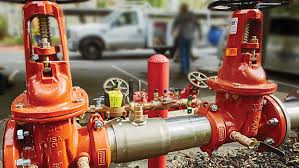
Backflow preventers operate quietly in the background, yet they play a decisive role in protecting potable water from contamination. When these devices fail, the consequences are rarely subtle. Municipal notices, compliance deadlines, and potential fines often arrive before property owners realize there is a problem. Understanding early failure indicators allows owners and managers to address issues proactively rather than reacting to enforcement actions. Experienced plumbers in Springdale, AR, regularly encounter preventable violations that stem from overlooked warning signs rather than sudden equipment failure.
Why Backflow Preventers Attract Regulatory Attention
To prevent tainted water from returning to the public supply, backflow preventers are in place. Municipalities classify these devices as important infrastructure because a failure could impact multiple properties. Particularly for commercial buildings, multi-family dwellings, and irrigation systems, many governments mandate routine testing, certification, and upkeep.
Regulators don’t wait for contamination to happen. Notifications and fines may be issued promptly if a device exhibits signs of malfunction or has not been tested within the allotted period. Inspectors typically believe that observable or quantifiable flaws point to more serious system risks.
Pressure Irregularities as an Early Warning
Inconsistent water pressure is one of the first indications of backflow preventer issues. Internal component wear may be indicated by abrupt decreases, transient surges, or pressure fluctuations without a clear explanation. The preventer’s internal springs, check valves, and seals are designed to respond precisely to pressure variations. The device may partially open or fail to close completely when they deteriorate.
Because these pressure anomalies frequently occur sporadically, property owners tend to write them off as supply-side problems. However, over time, inspectors can find pressure loss above permitted limits, resulting in a noncompliance violation.
Visible Leaks and Moisture Around the Assembly
During regular functioning, backflow preventers should be dry. Seal failure or internal component damage is usually indicated by moisture, leaking, or corrosion surrounding the assembly. During inspections, even small leaks are carefully considered, as they may indicate the device does not close correctly during a pressure reversal.
Special care should be given to corrosion. Rust, discolouration, or mineral accumulation can degrade internal components or limit valve movement. It is less likely that minor changes will restore compliance once corrosion is evident on the outside, because internal deterioration is often already underway.
Unusual Noises During Water Use
Although backflow preventers are not silent, abnormal or persistent noises indicate problems. Whistling, hammering, or chattering sounds during regular water use could indicate worn springs or malfunctioning check valves. When pressure differentials stress the assembly during high-demand periods, these noises often become louder.
Inspectors often note these sounds during routine assessments. Even when the water quality has not yet been compromised, audible instability may be enough to warrant replacement or repair.
Failed or Missed Annual Testing
Failures in administration can be equally as expensive as those in mechanics. Missed testing deadlines are more often the cause of warnings and fines than unexpected equipment malfunctions. Municipalities usually don’t accept justifications for oversight or scheduling issues, and testing requirements are stringent.
There are repercussions for failing an exam as well. Owners are frequently given a brief window to complete repairs or replacements when a device fails to meet performance standards. Penalties, service disruptions, or both may result from delays. Frequent testing produces paperwork that shields owners from future inquiries.
Changes After Plumbing or Irrigation Modifications
Backflow preventer function may be affected by changes to an irrigation or plumbing system. Zone expansions, new fixtures, and pressure regulators change flow dynamics. The preventer may function outside of its intended parameters if it is not assessed following these modifications.
Inspectors frequently flag preventers that don’t seem to fit the system they support. Even if it hasn’t physically failed, a gadget that was compliant years ago might no longer meet modern needs. Properties that increase operations or repair outdated infrastructure frequently experience this situation.
Environmental Exposure and Installation Issues
Outdoor backflow preventers are subjected to environmental stressors that hasten their wear. Alignment and internal tolerances can be jeopardized by freeze damage, UV exposure, and ground movement. Water can also build up inside the assembly due to improper installation height or insufficient drainage, which raises the risk of corrosion.
Seldom do these problems result in instant failure. Rather, they progressively deteriorate performance until noncompliance is discovered by testing. Because installation conditions have a substantial correlation with future failure rates, inspectors pay close attention to them.
Why Early Professional Evaluation Matters
Waiting for an official notice limits options. Once an inspector documents a violation, timelines become compressed, and corrective actions may be mandated rather than recommended. Early evaluation by qualified plumbers Springdale AR allows owners to address marginal performance before it becomes a regulatory issue.
Professional assessments go beyond pass/fail. Technicians evaluate component wear, installation conditions, and system compatibility. This broader view helps owners decide whether targeted repairs, preventive maintenance, or full replacement makes the most financial and operational sense.
Final Thoughts
Backflow preventer failures rarely occur without warning. Pressure irregularities, minor leaks, unusual sounds, missed testing, and system changes all provide advance notice that compliance may be at risk, which plumbers in Springdale, AR are trained to identify early. Recognizing these signs early shifts the response from enforcement-driven to planned maintenance. By addressing issues before inspectors intervene, property owners protect their water systems, avoid fines, and maintain regulatory standing without unnecessary disruption.
