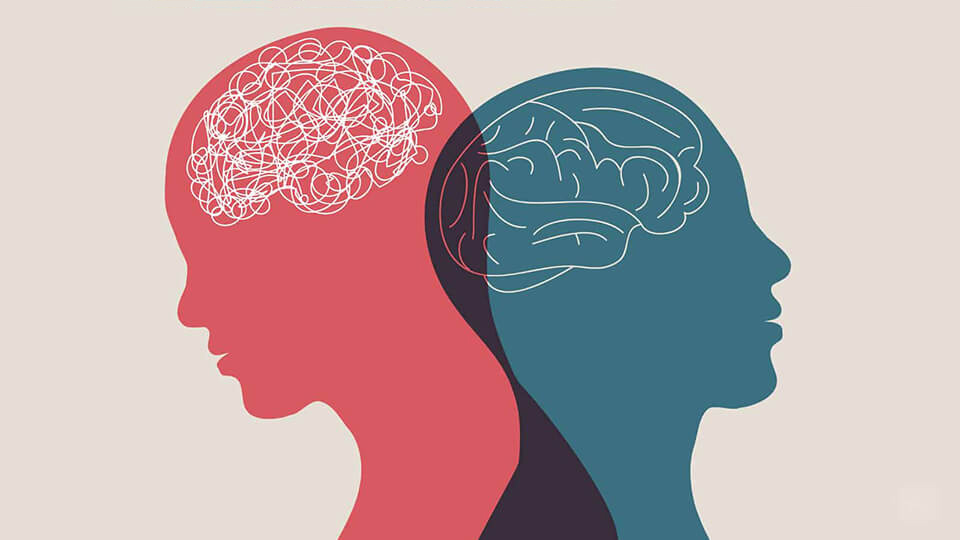
Behavioral health is an important part of overall well-being. It affects how we think, feel, act, and manage daily life. Many people confuse it with mental health, which leads to a common question. This creates one common question: Is behavioral health the same as mental health? The short answer is no. They are connected, but not the same. Understanding the difference helps you get the right support and treatment when needed.

This article explains behavioral health in simple terms, why it matters, and how it differs from mental health. It also covers signs, causes, and treatment options.
What Is Behavioral Health?
Behavioral health focuses on the actions and habits that affect your physical and emotional health. It includes the way you cope with stress, how you manage relationships, your sleep, and your use of substances. Your behavior plays a major role in shaping your health. Healthy behaviors help you feel balanced. Unhealthy behaviors lead to problems.
Some examples of behavioral health issues:
Smoking
- Drinking too much
- Drug misuse
- Poor eating habits
- Lack of sleep
- Avoiding responsibilities
- Self-harm
These behaviors can affect both the mind and the body.
Is Behavioral Health the Same as Mental Health?
Many people search “Is behavioral health the same as mental health?” because the two terms are often used together. But they are not identical.
Mental Health
Mental health focuses on:
Emotions
Thoughts
Mood
How You Process Experiences
Mental health conditions include:
Depression
Anxiety
Bipolar disorder
PTSD
OCD
Behavioral Health
Behavioral health focuses on actions and habits:
- Substance use
- Eating patterns
- Sleep behavior
- Stress coping styles
- Lifestyle choices
How They Connect
Mental health issues can affect behavior. Behavioral issues can affect mental health.
For example:
Anxiety (mental health) can lead to avoiding people (behavior).
Heavy drinking (behavior) can lead to depression (mental health).
They are connected but not the same. Behavior tells us how mental health is expressed in daily life.
Signs You May Have a Behavioral Health Issue
Behavioral health issues can be easy to ignore. But early signs help you take action on time. Common signs include:
- Sudden mood swings
- Emotional outbursts
- Avoiding responsibilities
- Losing interest in activities
- Trouble focusing
- Isolating yourself
- Not sleeping well
- Using alcohol or substances to relax
- Eating too much or too little
- Feeling overwhelmed easily
These signs show something deeper that needs attention.
Causes of Behavioral Health Issues
Many factors shape your behavior. Some are personal, while others come from your environment.
Stress: Work, school, relationships, or money problems can affect behavior.
Trauma: Past trauma can lead to harmful behaviors.
Environment: Family patterns, friends, or social surroundings influence habits.
Genetics: Some people are more likely to struggle because of their genes.
Brain Chemistry: Imbalance in brain chemicals affects both thoughts and behaviors.
Why Behavioral Health Is Important
Behavioral health affects:
- Your physical health
- Your emotional health
- Your relationships
- Your work performance
- Your daily decisions
Unhealthy behaviors cause long-term problems like:
- Heart disease
- Diabetes
- Depression
- Weight issues
- Family conflicts
- Job loss
Good behavioral health improves confidence, relationships, and overall well-being.
How Behavioral Health Is Treated
The good news is that behavioral health issues are treatable. The right plan brings strong results.
- Therapy
Therapists help you understand your behavior. They teach healthier ways to cope. CBT, DBT, and talk therapy are commonly used.
- Counseling
Counselors provide support for stress, relationships, or substance use.
- Medication (if needed)
Some behavioral issues are connected to underlying mental health condition. A doctor may prescribe medicine to help balance mood and thoughts.
- Lifestyle Changes
Small changes can create big improvement:
- Better sleep
- Daily exercise
- Balanced diet
- Limited screen time
- Daily routine
- Time management
- Support Groups
Meeting people with similar experiences builds strength. You feel understood and motivated.
Family Involvement
Family therapy improves communication and helps create a more supportive environment.
Can Behavioral Health Improve Mental Health?
Yes. Healthy behaviors support mental wellness.
Examples:
- Good sleep improves mood
- Exercise reduces anxiety
- Healthy eating stabilizes energy
- Avoiding substances reduces emotional problems
Improving behavior helps your mind heal faster.
Final Thoughts
So is behavioral health the same as mental health? No, but they are closely connected. Mental health focuses on emotions and thoughts. Behavioral health focuses on actions and habits. Both are important for a healthy life. When one is affected, the other is also impacted. Understanding this connection helps you get the right care.
