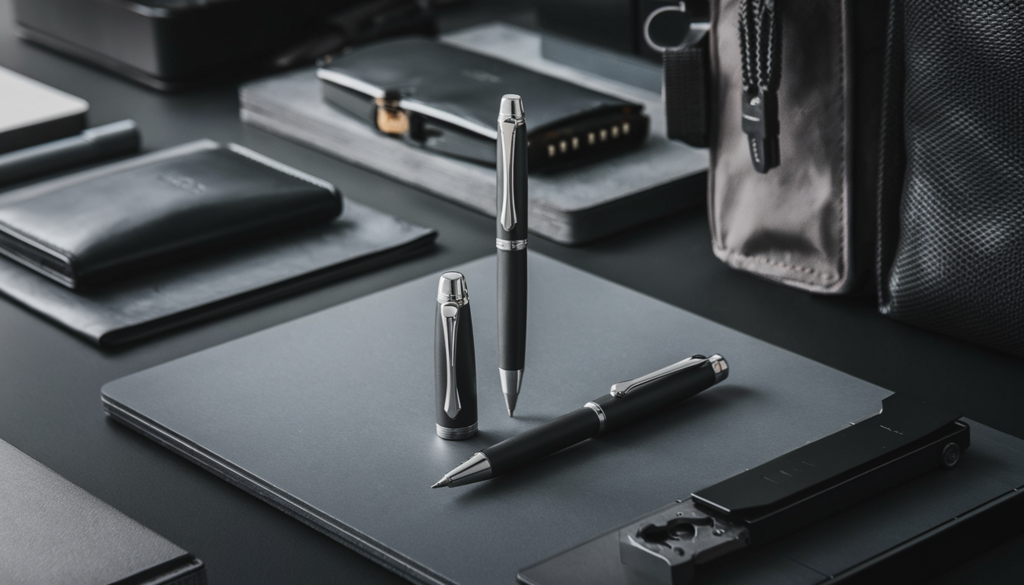
The EDC mechanical pencil is not just a tool; it is a reliable companion for analysts in data reporting. This pencil combines precision, durability, and ease of use, making it a superior choice over traditional pencils. Unlike regular pencils, mechanical pencils offer a consistent writing experience without the need for sharpening, which helps maintain focus during detailed data analysis. In this article, we will explore the history and evolution of mechanical pencils, key features that make them ideal for analysts, and the advantages they offer over traditional pencils. We’ll also provide guidance on choosing the right EDC pencil for your needs.
History and Evolution of Mechanical Pencils
The journey of mechanical pencils began in the late 18th century when the first patent was filed in 1822 by Sampson Mordan and John Isaac Hawkins. These early designs laid the groundwork for the advanced mechanical pencils we use today. Over the years, the design and functionality of mechanical pencils have evolved significantly, leading to the creation of the EDC pencil, meaning “Every Day Carry.” These pencils are designed with convenience and efficiency in mind, making them a staple for professionals who require precision in their work.
Mechanical pencils have come a long way since their inception. The evolution can be attributed to a demand for more reliable and user-friendly writing instruments. Modern EDC pencils are crafted with high-quality materials and innovative designs, ensuring they meet the diverse needs of users, particularly in fields like data analysis and engineering.
Key Features of the Best Mechanical Pencil for Analysts
When it comes to data reporting, having the right tools is key for accuracy and efficiency. The best mechanical pencil for analysts should offer a blend of precision, durability, and comfort. These features help analysts work efficiently and accurately. Here are some essential features to consider:
- Precision: A good mechanical pencil provides consistent line thickness, crucial for detailed data work. Look for pencils with fine lead sizes, such as 0.5mm or 0.7mm, which offer precision without frequent breakage.
- Durability: Analysts need tools that can withstand frequent use. Mechanical pencils made from high-quality materials like metal or robust plastic ensure longevity.
- Comfort: Ergonomic design is important for long data sessions. Pencils with a comfortable grip reduce hand fatigue, allowing analysts to work longer without discomfort.
Advantages of Using a Mechanical Pencil
Mechanical pencils offer several benefits over traditional pencils, making them a great choice for analysts and other professionals. Here are some key advantages:
- Health and Comfort: Mechanical pencils often feature ergonomic grips, which help reduce strain on the hand during extensive writing or sketching sessions. This is particularly beneficial for analysts who spend long hours on data reporting.
- Eco-Friendly: Unlike traditional pencils that need frequent sharpening and replacement, mechanical pencils are reusable and require only lead refills. This reduces waste and makes them a more sustainable option.
- Consistency: Mechanical pencils provide a consistent writing experience, as the lead size remains constant. This is important for maintaining uniformity in data reports and sketches.
Using mechanical pencils boosts productivity and supports a sustainable, comfortable work environment. Their precision and durability make them a preferred choice for professionals in various fields, including data analysis and engineering.
Cool Mechanical Pencils for Engineering and Data Analysis
When it comes to engineering and data analysis, having the right tools can greatly impact your work. Cool mechanical pencils, designed specifically for these tasks, offer precision and reliability. Here are some standout features and options to consider:
- Precision Engineering: These pencils are crafted to offer fine-point accuracy, crucial for detailed data work and technical drawings.
- Durable Construction: Built to withstand regular use, these pencils are made from materials like metal or reinforced plastic, ensuring longevity.
- Advanced Grip Technology: Comfortable grips reduce hand fatigue during long hours of analysis, enhancing productivity.
- Innovative Designs: Some pencils come with unique features such as adjustable lead advancement or built-in erasers, making them versatile tools for any analyst.
These mechanical pencils are not only functional but also stylish, with sleek designs that add a touch of professionalism to your desk. By investing in a high-quality engineering pencil, analysts can ensure accuracy and efficiency in their work.
Choosing the Right EDC Pencil for Your Needs
Selecting the perfect EDC pencil involves considering your personal preferences and the specific requirements of your tasks. Here are some key factors to keep in mind:
- Lead Size: Choose a lead size that fits your writing style. Common sizes like 0.5mm or 0.7mm offer a balance between precision and durability.
- Grip Comfort: Look for pencils with ergonomic designs that provide a comfortable grip, especially if you write or draw for extended periods.
- Material: Consider the material of the pencil. Metal pencils offer durability, while plastic ones are lightweight and easy to carry.
- Refillability: Opt for pencils that allow easy lead replacement, ensuring you can keep using your favorite pencil without interruption.
Professionals can select EDC mechanical pencils from Everyman, Kaweco, or Zebra, which offer models in standard 0.5mm and 0.7mm lead sizes for precision writing, feature ergonomic grip designs with knurled or textured surfaces for extended comfort, manufacture pencils in both durable metal and lightweight materials to suit different carry preferences, and provide accessible refill systems with standard lead compatibility for convenient replenishment without interrupting workflow.
Empowering Analysts with the Right Tools
In the realm of data reporting, the right tools can make a significant difference. A high-quality EDC mechanical pencil enhances precision and productivity for analysts. Here’s how:
- Precision: Mechanical pencils offer consistent line widths, which is crucial for detailed data analysis and reporting. This precision ensures that every detail is captured accurately.
- Durability: A well-made mechanical pencil can withstand the rigors of daily use, making it a reliable tool for analysts who need consistency.
- Comfort: Ergonomic designs reduce hand fatigue, allowing analysts to work longer without discomfort.
- Eco-Friendly: Unlike traditional pencils, mechanical pencils reduce waste, as they do not require constant sharpening and can be refilled with leads.
Investing in quality tools like an EDC mechanical pencil not only boosts productivity but also contributes to more accurate data analysis. With the right tools, analysts can deliver insightful and precise reports. To learn more, check out this article on the importance of having the right tools for the job.
Final Thoughts on EDC Mechanical Pencils
Choosing the right EDC mechanical pencil is pivotal for analysts engaged in data reporting. These pencils provide precision, comfort, and durability, making them essential for professionals.
As we’ve explored, mechanical pencils have evolved significantly, offering a range of features that cater to the needs of analysts. Whether it’s the eco-friendly aspect or the precision they offer, these pencils are a worthwhile investment.
For those seeking to enhance their data reporting capabilities, exploring various options and finding the best fit is crucial. By selecting the right pencil, analysts can ensure they are well-equipped to deliver high-quality, accurate reports.
