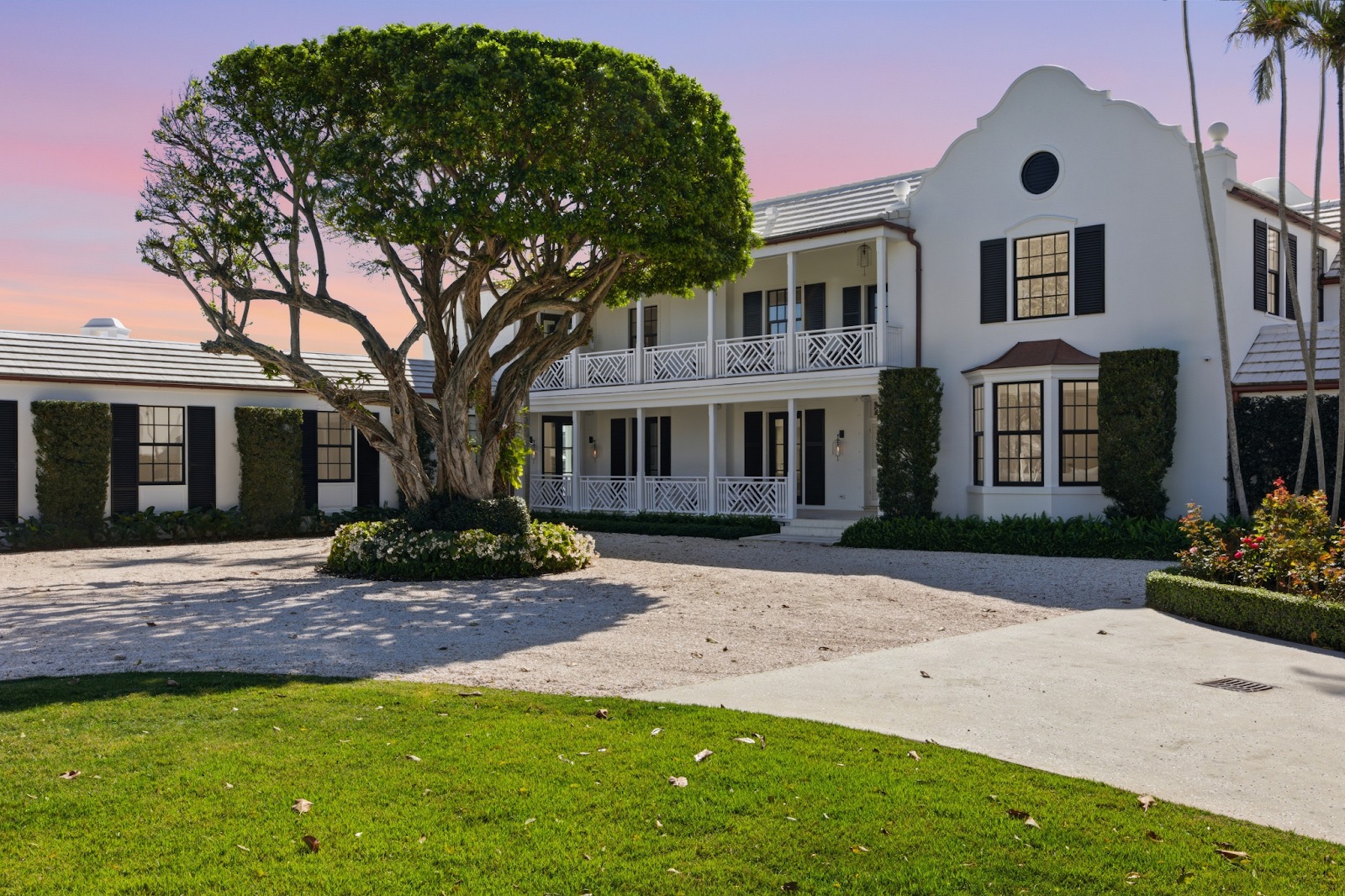
When real estate photo editing services are compared, the conversation usually revolves around features. Virtual staging, twilight effects, and visual enhancements dominate the discussion. But features don’t determine whether a listing succeeds. Risk does.
Every listing photo carries risk: misrepresentation, inconsistency, buyer mistrust, or delayed publication. The role of real estate photo editing is not to impress, it is to reduce those risks. Services that focus on add-ons often increase uncertainty, while services that focus on fundamental corrections reduce it.
This article examines how to evaluate real estate photo editing services through the lens that actually matters in production environments: risk control.
Listing Photos Fail When Risk Is Introduced, Not When Creativity Is Missing
A listing photo rarely fails because it isn’t visually interesting enough. It fails when something feels wrong.
That feeling usually comes from:
- Inconsistent brightness between rooms
- Color shifts that suggest manipulation
- Structural distortion that alters perceived space
These issues introduce doubt. Doubt slows buyer engagement and forces agents to second-guess publication.
Real estate photo editing services that emphasize add-ons often overlook this. Enhancements add variables. Variables increase risk.
Add-Ons Increase Variability by Design
Add-ons are discretionary. That is their weakness.
When enhancements are applied:
- Selectively
- Inconsistently
- Or without strict constraints
…the visual baseline of a listing becomes unstable. Two photos edited with different enhancement logic no longer belong to the same set.
This variability is not cosmetic. It creates risk:
- Agents hesitate before publishing
- Teams request revisions
- Listings lose visual cohesion
A service built around add-ons requires judgment calls. Judgment calls are where risk enters the workflow.
Core Corrections Reduce Decision-Making
Core image corrections do something add-ons cannot: they eliminate interpretation.
When exposure, structure, and color are corrected consistently:
- There is nothing to debate
- Nothing to “choose”
- Nothing to tweak for preference
The photo either meets the standard or it doesn’t.
This is why experienced teams evaluate real estate photo editing services based on how reliably they eliminate ambiguity, not how many visual options they provide.
Misrepresentation Is the Highest Cost Failure
The most damaging risk in real estate photography is misrepresentation.
Over-enhanced skies, exaggerated lighting, or aggressive staging can:
- Create expectations the property can’t meet
- Trigger buyer disappointment
- Damage agent credibility
Real estate photo editing services that prioritize restraint over enhancement reduce this risk. The goal is not to elevate reality, but to present it clearly.
This is why heavy furniture removal or aggressive staging is rarely treated as a default capability in professional workflows.
Publishing Delays Are an Editing Failure, Not a Workflow One
When listings stall, editing is often blamed indirectly.
But delays usually originate from:
- Inconsistent image output
- Unclear quality thresholds
- The need for human judgment
Real estate photo editing services that rely on strong core corrections minimize review cycles. When photos arrive predictable and aligned, publishing becomes routine.
No add-on can compensate for this.
Pricing Reflects Risk Exposure
Pricing is often discussed superficially.
The phrase “40 cents per image” is common, but the accurate framing is that pricing can go as low as 40 cents, depending on volume and requirements. That pricing only works when risk is controlled.
Services that depend heavily on customization and add-ons:
- Increase variability
- Increase review effort
- Increase turnaround uncertainty
Those costs always surface somewhere, either in price or in time.
Why Serious Teams Evaluate Services Backward
Experienced buyers of real estate photo editing services don’t start with features. They start by asking:
- How often will images need revision?
- How predictable is output across listings?
- How quickly can photos be approved without discussion?
If those questions are answered clearly, features become secondary.
Some platforms, such as AutoHDR, are structured around this risk-reduction model, focusing on predictable correction behavior first, with enhancements kept optional and isolated.
Conclusion
The best real estate photo editing services are not defined by what they add. They are defined by what they remove.
They remove doubt.
They remove inconsistency.
They remove the need for judgment calls.
Evaluating services through this lens leads to better listings, faster publishing, and fewer surprises. And in real estate photography, reducing risk matters far more than expanding features.
