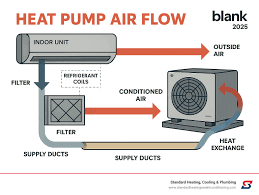
Airflow keeps a heating system running the way it should. Without proper airflow, the furnace or heat pump can’t move warm air through the home, and comfort drops fast. Many homeowners notice weak vents, uneven temperatures, or a system that runs longer than usual, but they don’t always know why it happens. Airflow issues start quietly, and they get worse over time. Dust builds up, ducts leak, motors weaken, and filters clog. Each issue places stress on the system until the airflow drops to a level where the furnace can’t keep up.
Technicians often employ advanced diagnostic tools to pinpoint airflow issues, ensuring a precise and efficient resolution. By understanding the intricacies of ductwork and system design, they can identify blockages or leaks that may be compromising performance. Regular maintenance checks are crucial in preventing these problems from escalating. For homeowners seeking expert advice, Sensigreen Heating, Cooling & Insulation offers comprehensive solutions tailored to individual needs. Their team of professionals is adept at optimizing system efficiency, ensuring comfort and reliability throughout the year. By addressing potential issues early, they help maintain a healthy indoor environment, ultimately extending the lifespan of your heating system.
Strong airflow supports everything the heating system does. It protects the equipment, delivers steady warmth, keeps indoor air fresh, and prevents unnecessary strain on motors and components. Once airflow drops, the system begins to struggle. Knowing how airflow problems start and how technicians fix them helps you understand what’s really happening behind the vents.
This guide explains the common causes behind weak airflow, why the problems keep coming back, and how technicians repair these issues to restore comfort and system health.
Why Heating System Airflow Matters
Airflow moves warm air from the furnace or heat pump into the living space. The stronger and cleaner the airflow, the easier it is for the system to heat the home evenly. Poor airflow forces the system to run longer, which creates strain on motors and internal parts. If airflow gets low enough, the furnace can even overheat and shut down for safety.
A system with proper airflow offers:
- Steady, even temperatures throughout the home
- Reduced strain on the blower motor
- Better indoor air quality
- Lower system noise
- Fewer repairs
- Safe operation without constant overheating
Once airflow becomes restricted, none of these benefits stay in place. The system starts to show signs of stress that become noticeable during cold evenings or mornings.
How Airflow Problems Start
Airflow issues rarely happen all at once. They build slowly as dust accumulates, ducts age, and components wear out. Here are the main reasons airflow weakens over time.
1. Clogged Air Filters
A clogged filter is the most common cause of weak airflow. As dust collects on the filter, it becomes harder for air to pass through. The blower motor struggles to pull air into the system, and warm air can’t circulate properly. The furnace overheats more easily, and the blower works harder than it should.
Many homeowners forget to change filters, or they use filters that are too restrictive for their system. Both issues lead to the same result: weak airflow and stress on the furnace.
2. Leaky or Damaged Ductwork
Ducts move heated air from the furnace to each room. Over time, ducts can loosen, crack, or disconnect due to vibration, aging insulation, or previous repairs. When ducts leak, the warm air escapes before reaching the vents. This makes the system feel weaker even though the furnace may be running perfectly.
A large percentage of airflow problems come from duct issues, especially in older homes or homes with long, winding duct systems.
3. Blocked or Closed Vents
Furniture, rugs, or clutter can block vents without homeowners realizing it. Closed vents also restrict airflow and create pressure issues in the duct system. This forces the blower to work harder to move air through fewer openings. It also causes hot and cold spots that make the home feel uneven.
Simple adjustments like opening vents fully or moving furniture away from duct openings often fix these issues.
4. Dust Buildup Inside the System
Even when filters are changed, dust can still collect inside the blower compartment, on the motor, and on the evaporator coil. Too much dust restricts airflow and makes the blower run with more effort than necessary. Dust buildup on the coil also creates a sticky layer that prevents air from passing through easily.
This issue develops slowly and keeps getting worse until a technician cleans the affected components.
5. Weak or Failing Blower Motor
The blower motor controls the force of airflow throughout the home. As motors age, they lose strength and speed. Bearings dry out, belts loosen, and the blower wheel can become misaligned. When this happens, warm air won’t reach all parts of the home.
A failing blower usually introduces new noises like rattling, squealing, or grinding before airflow noticeably drops.
6. Improperly Sized or Installed Duct System
Some homes have duct systems that were never designed correctly. If the ducts are too narrow or too long for the size of the heating system, airflow will always struggle. The furnace may constantly overheat, short cycle, or fail to heat the home evenly.
This issue often appears in older homes or homes that went through renovations that changed airflow paths.
7. Dirty or Blocked Coils
Heat pumps rely on coils to move heat. When the coil collects dust, pet hair, or debris, it can’t move heat efficiently. Airflow slows down, the system runs longer, and comfort drops. For gas furnaces with AC systems, a clogged evaporator coil can restrict airflow even when the furnace itself runs fine.
This is one of the most common hidden causes of airflow problems.
Signs That Point to Airflow Trouble
Airflow issues usually reveal themselves in ways homeowners recognize but don’t always connect to the airflow itself. Some signs include:
- Weak airflow from vents
- Hot and cold spots in different rooms
- A furnace that runs constantly
- Frequent overheating and shutdowns
- Whistling or rattling when the system runs
- Rising energy bills despite normal usage
- More dust in the home
- Poor temperature control
If more than one of these signs appears, it’s likely an airflow problem rather than a furnace problem alone.
How Technicians Diagnose Airflow Problems
Skilled technicians use a mix of tools, inspection steps, and airflow tests to pinpoint the cause. Diagnosis is important because multiple issues may exist at the same time.
1. Measuring Airflow with Gauges and Tools
Technicians use specialized tools to measure airflow at the vents and inside the system. These tools reveal whether the blower is moving enough air and whether pressure changes indicate a blockage or leak.
2. Inspecting Ductwork for Leaks and Damage
A technician examines duct connections, insulation, and air pathways. Small leaks allow warm air to escape and reduce performance. Large leaks can go unnoticed for years until airflow becomes noticeably weak.
3. Checking Filters and Return Airflow
A quick inspection of the air filter reveals whether airflow is being restricted at the first point of entry. Technicians also check return ducts to make sure they’re not blocked or undersized.
4. Examining the Blower Motor and Wheel
Technicians check speed, balance, cleanliness, and overall performance. A sluggish blower or a dirty wheel can reduce airflow by a large amount.
5. Evaluating the Coil for Blockages
A blocked coil doesn’t just affect cooling. It disrupts airflow year-round. Technicians look for dust buildup and clear obstructions to restore airflow.
6. Inspecting Vents and Registers
Blocked, bent, or closed vents limit airflow. The technician checks each vent to confirm proper airflow is reaching the room.
How Technicians Fix Airflow Problems
Once the source of the airflow problem is found, technicians use proven repair methods to restore the system. Airflow repairs can involve one or several steps depending on how many issues exist.
1. Cleaning or Replacing Air Filters
This is the fastest way to restore airflow. Technicians choose the right filter for the system to avoid restrictions caused by overly dense materials.
2. Sealing or Repairing Duct Leaks
Technicians use mastic sealant, metal tape, or duct repair sleeves to restore air pathways. Proper sealing often brings immediate improvement to airflow.
3. Cleaning Internal Components
Dust inside the blower, motor, and coil often creates more problems than homeowners realize. A professional cleaning restores stronger airflow and protects moving parts from strain.
4. Restoring Blower Performance
Depending on the issue, technicians adjust the speed, replace worn belts, lubricate bearings, or install a new motor if necessary. A strong blower supports proper airflow and protects the furnace from overheating.
5. Adjusting or Repairing Vents
The technician ensures each vent is clear, open, and allowing full airflow. They may also recommend changes in furniture placement or duct modifications for better performance.
6. Correcting Duct Design Issues
In homes with serious duct sizing or layout problems, technicians may reroute ducts, replace sections, or expand restricted areas to restore healthy airflow.
How Homeowners Can Help Prevent Airflow Problems
With simple habits, homeowners can prevent many airflow issues from returning:
- Change air filters on a consistent schedule
- Keep vents open and unobstructed
- Vacuum dust around return vents
- Schedule regular maintenance
- Address unusual noises early
- Avoid closing vents in unused rooms
These steps take little effort and help the heating system maintain strong airflow through every season.
Airflow keeps the heating system working the way it should. Once airflow drops, the furnace begins to strain, and the entire home feels the impact. Understanding how airflow problems start and how technicians fix them helps you stay ahead of issues before they become disruptive. A system with strong airflow delivers steady comfort, runs more quietly, and stays reliable through the coldest days of the year.
