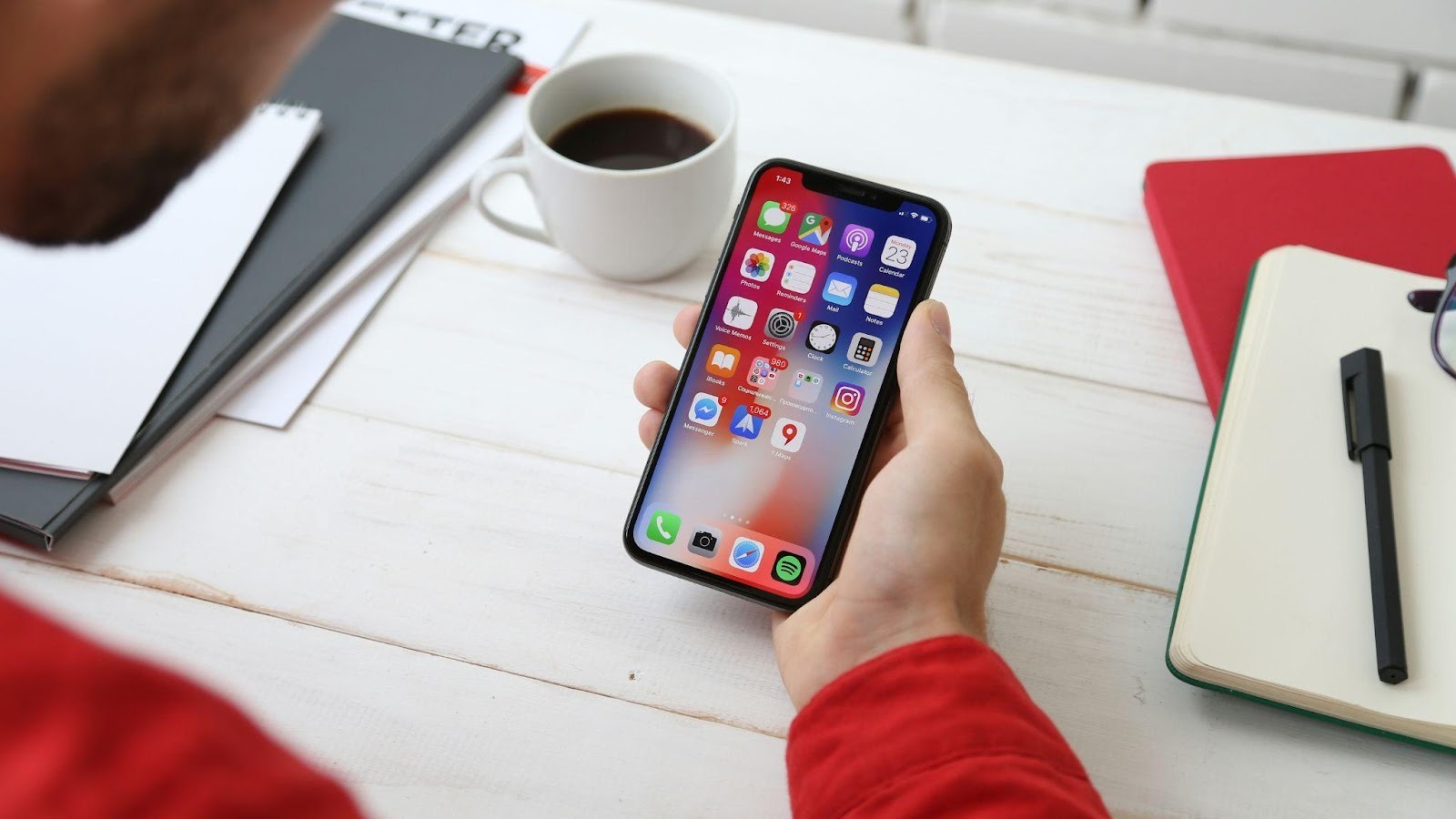
Modern phones store sensitive data and track daily activity, so any unexpected behavior raises concern about potential security issues. A sudden glitch, odd notification, or unexplained slowdown can hint at software operating in the background without your approval. Recognizing these early signs protects your personal information and prevents deeper problems before they spread through your device.
Clear Warning Signs Your Phone May Have Malware
A phone shows trouble through small changes that feel easy to ignore, especially when attention moves between enjoyable digital activities such as lucky seven online casino game and daily tasks. These subtle shifts reveal when something hidden starts to affect your device.
Sudden Battery Drain That Makes No Sense
Hidden processes run without your approval and drain power at a rapid pace. A healthy battery drops steadily, while a compromised phone loses charge quickly, even with light use.
Slow Performance or Frequent Freezes
Malware consumes memory and processing power. Apps open slowly, screens freeze, and the phone struggles to handle simple actions because unwanted software competes for system resources.
Unusual Data Consumption
Some malicious programs send information in the background. Data usage spikes even on quiet days, which reveals outbound activity you never authorized.
Ads, Pop-Ups, or Strange Notifications
Adware triggers sudden banners or alerts that appear outside normal apps. These intrusive messages often lead to unsafe sites or push you to install additional harmful programs.
Apps You Don’t Remember Installing
Some malware adds extra programs to your device to maintain access or open new vulnerabilities. These additions often look ordinary and blend in with real apps, which makes them easy to overlook. Unfamiliar icons or tools you never downloaded signal deeper intrusion and make removal more difficult.
Suspicious Permissions or Settings Changes
Intrusive software may adjust your phone’s permissions on its own and gain access to the microphone, camera, messages, or contacts. These unexplained approvals or altered settings signal a more serious breach of your personal data.
How to Confirm Your Phone’s Safety
Basic checks reveal whether suspicious behavior points to malware. Users can confirm device safety through simple steps that highlight unusual patterns or hidden apps.
Run a Trusted Security Scan
Reputable security tools identify threats and isolate harmful files. A quick scan highlights suspicious activity and gives you a clear assessment of the device’s condition.
Check App Permissions Carefully
A permission review exposes apps that reach deeper into your data than necessary. Any tool that accesses sensitive features without a clear purpose requires re-evaluation.
Review Recently Installed Apps
Unknown developers or recently added programs without your action deserve scrutiny. These may hide within long app lists, so careful review ensures nothing slips through unnoticed.
What to Do If You Notice Warning Signs

Prompt action reduces damage and prevents further intrusion:
- Remove suspicious apps immediately.
- Clear browser data and reset permissions.
- Update your phone’s OS.
- Disconnect from Wi-Fi during investigation.
- Back up important files.
- Consider a full system reset if issues persist.
These steps restore stability and limit the reach of any malicious program. The faster you act, the quicker your device returns to normal.
How to Prevent Malware in the Future
Strong habits reduce risk and protect your information from similar issues. Prevention keeps your phone secure long before problems appear.
These basic practices strengthen your device’s defenses and help you avoid the most common sources of mobile threats:
- Download apps from trusted sources: Apps from official stores undergo security checks. They reduce the chance of hidden malware embedded in downloads.
- Avoid public Wi-Fi for sensitive tasks: Public networks expose your data to anyone nearby. Use mobile data or a secure connection for transactions and private messages.
- Keep your operating system updated: Updates patch vulnerabilities that attackers exploit. An updated device resists many threats by design.
- Be careful with links and attachments: Suspicious messages or unexpected files often act as gateways for malware. Verified contacts and known websites offer safer paths for downloads and communication.
Such habits form a protective barrier around your digital life and reduce exposure to harmful software.
A Safer Digital Routine
Early detection of mobile malware prevents deeper issues and protects your information from quiet attacks. Awareness, quick action, and steady safety habits keep your device secure and your daily routine free from hidden threats.
