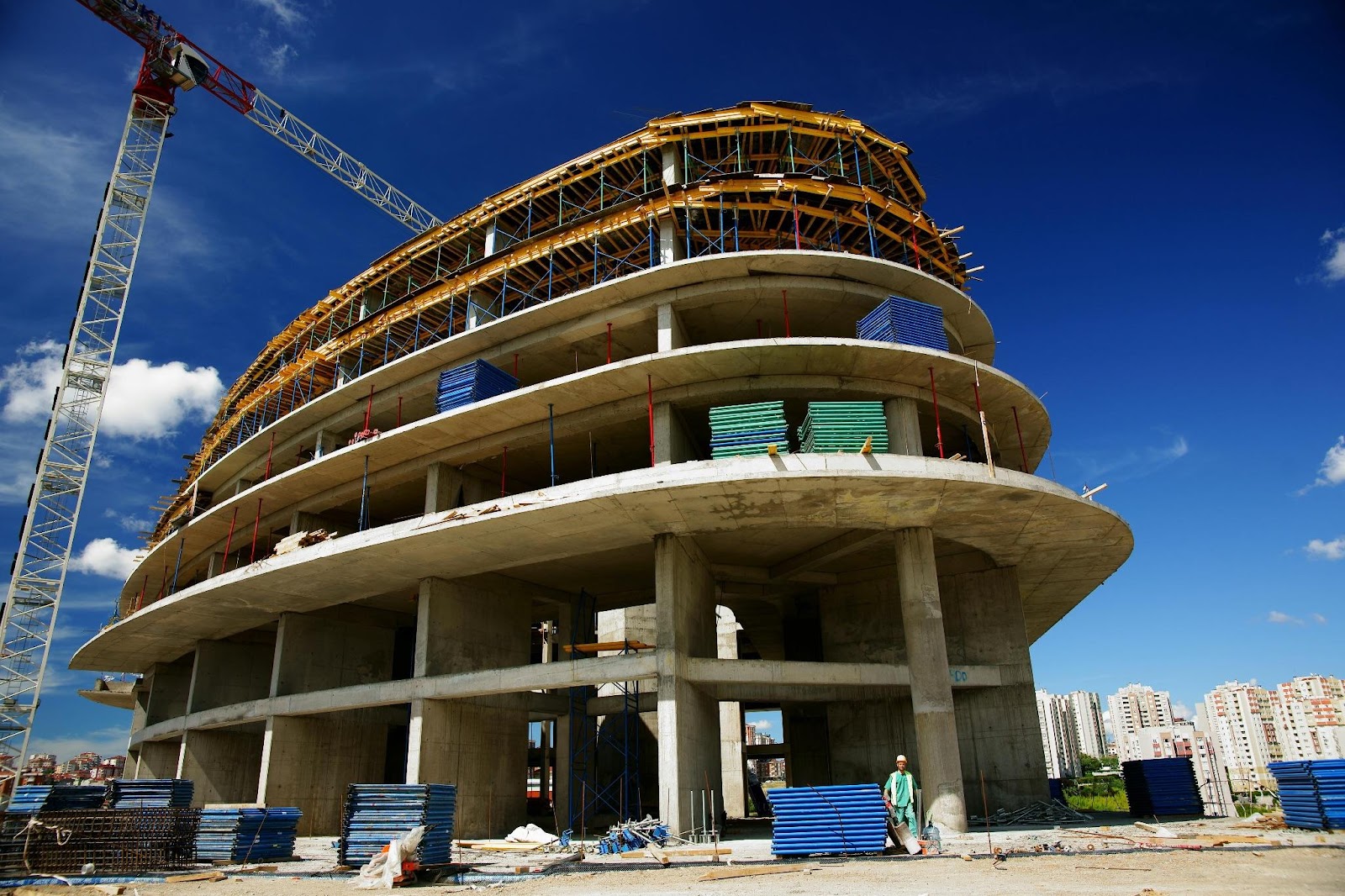
Durability is the crucial factor in a building investment, whether it is a dream home or a commercial space. A well-built structure is a potential that can last a long time and can be a smart investment. On the other hand, buildings that are even frequently maintained will, in most cases, age and become shabby quickly.
Read this article for the main factors that contribute to a building’s long life, along with a few handy maintenance tips.
Quality of Materials Used
The most decisive factor in the life of a building is the selection of construction materials. As a rule, cheap, substandard materials not only double the owner’s costs later due to increased small-scale repair work but also frequently compromise the owner’s safety. Each of these materials is distinct and therefore somewhat different in lifespan and maintenance.
To achieve the desired structural stability and long-term durability, high-quality concrete and steel should be the materials of choice. Structural epoxy for crack repair can help unify areas where your building is structurally weakened, thereby increasing its lifespan without major reconstruction. What is more, one should also ensure proper concrete curing to prevent early cracking.
Construction Techniques and Workmanship
Even the most expensive materials will not last long if inferior construction methods are used. Proper workmanship guarantees that the elements are accurately aligned, the joints are sealed, and the foundations are stable. Anyway, it is always better to employ licensed contractors who are known for adhering to local building codes and safety standards.
You need to check if the leveling and compacting have been done properly among the foundation works.
Environmental and Site Conditions
The location of your building determines its lifespan. Some of the factors taken into account include soil type, weather, and exposure to natural elements. For example, those living in a humid area will face more mould and wood-rot issues, while those residing in earthquake-prone areas will need to take more steps to reinforce their buildings.
The structural components, which are vulnerable to water and other environmental factors, can be protected by using certain materials, such as a concrete covering over exposed parts.
Maintenance and Regular Inspections
No building can be called an eternal one if it is not given proper care. Regular maintenance is a way to identify problems that will later become grave in a very short time. Consequently, they should schedule regular structural, plumbing, electrical, and exterior finishing checkpoints.
Free water flows through gutters and downpipes should be maintained to avoid water-related problems. The winning safety and longevity strategy, making costly future rebuilding unnecessary, is timely repair using modern methods, such as structural epoxy for crack repair.
Wrapping Up
How long a building will be able to serve its function depends on the intertwined factors of material quality, good workmanship, attention to the surroundings, regular upkeep, and a design that allows for future modifications. By focusing on these aspects, you will be able to maintain your investment safe, and the building will be your fortress for the coming years.
