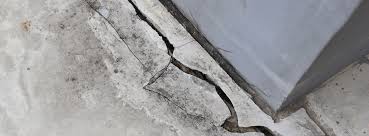
Noticing cracks in your walls can be alarming, but it is important to understand what they might signify. While some cracks are minor and a natural part of a home settling, others can indicate serious foundation issues that require prompt attention. Your home’s foundation is the critical base that supports every structure above it, from walls and floors to doors and windows. Ignoring early signs of damage can lead to more severe structural problems, decreased property value, and costly repairs down the line. We will explore practical steps to take when cracks appear in your walls, how to identify warning signs, and what measures can protect your home before issues worsen, helping homeowners act proactively rather than reactively.
Early Warning Signs of Foundation Problems
- Inspect the type and location of cracks
Cracks can appear in different forms, and their patterns often reveal the severity of the problem. Vertical cracks are usually less concerning, as they can result from natural settling. In contrast, horizontal cracks or stair-step patterns in brick or block walls often indicate more serious foundation movement. Cracks near doorways, windows, or corners of walls are particularly significant, as they may indicate shifting soil or pressure against your foundation. Homeowners should take detailed notes and photographs of all cracks, noting their width, length, and any changes over time. Tracking these changes can help determine if the damage is progressive, signaling an underlying issue that needs intervention. Consulting with AAA Foundation Service for a professional assessment can provide guidance and solutions tailored to your home’s needs. Consistent monitoring is key to distinguishing between cosmetic problems and structural concerns.
- Check doors, windows, and floors for misalignment
Doors and windows that suddenly stick, fail to latch, or appear crooked may indicate foundation settlement. Floors that slope, feel uneven, or produce unusual gaps along baseboards are also signs that the foundation may be shifting. These symptoms often occur in conjunction with wall cracks and can provide additional clues about the direction and extent of the movement. Testing for misalignment can involve simple home observations, such as using a level to measure floor slopes or noting doors that no longer close properly. Recognizing these secondary indicators early can help homeowners act before the damage spreads, making repair options more manageable and less disruptive.
- Identify water and drainage issues around the home
Improper drainage or excess moisture near your home can exacerbate foundation problems. Soil that alternates between very wet and very dry can expand and contract, putting pressure on the foundation and causing walls to crack. Homeowners should inspect gutters, downspouts, and the grading around the property to ensure water is directed away from the foundation. Additionally, signs of water intrusion in basements or crawl spaces, such as dampness, mold, or pooling water, can indicate that soil movement is affecting the structure’s stability. Addressing drainage problems promptly is a crucial preventative step, as controlling moisture levels around the foundation helps reduce the risk of serious damage.
- Look for cracks in exterior walls and brickwork
Exterior cracks, particularly in masonry or brick, can be an early warning of foundation shifts. Horizontal cracks or gaps between bricks are more concerning than minor vertical cracks and often suggest that the soil beneath the foundation is moving or settling unevenly. Observing changes in exterior walls over time can provide valuable insight into the progression of foundation issues. Homeowners should regularly inspect their homes’ façades for widening gaps, mortar separation, or tilting chimneys, all of which are indicators that the foundation may be under stress. Documenting these changes ensures that any repair strategy addresses both visible and hidden structural concerns effectively.
- Consult for a foundation inspection and evaluation
Once multiple signs of potential foundation problems are observed, scheduling a professional foundation inspection is crucial. Trained professionals can perform thorough assessments, including examining slab, pier-and-beam, and crawl space foundations to determine the source of movement. Inspections often involve measuring cracks, assessing soil conditions, and checking for uneven settling that may not be immediately visible to the homeowner. Timely evaluation allows homeowners to create a plan for stabilization or repair, minimizing long-term damage and avoiding costly emergency fixes. Engaging professionals early ensures that any corrective measures are tailored to the property’s specific conditions, rather than relying on temporary cosmetic fixes.
- Take preventive steps to protect your home
Even before serious repairs are needed, homeowners can take steps to protect the foundation. Proper landscaping, controlling soil moisture, and maintaining drainage systems are effective ways to minimize movement and pressure on foundation walls. Avoid planting large trees close to the foundation to prevent their root systems from disturbing the soil beneath the home. Regular maintenance and monitoring, including checking for new cracks or changes in existing ones, allows homeowners to act swiftly if warning signs increase. These steps not only safeguard the structural integrity of the house but also preserve its value, providing peace of mind that minor issues do not develop into major structural failures.
Cracks in your walls should never be ignored, as they can be the first indicators of foundation problems that threaten the stability and safety of your home. Recognizing the type of cracks, observing related signs such as sticking doors, sloping floors, and water issues, and documenting changes over time are essential steps to protect your property. Addressing drainage concerns and consulting professionals for a thorough foundation evaluation ensures that any underlying problems are identified and resolved before they escalate. By taking preventive measures and acting promptly when early warning signs appear, homeowners can maintain a secure, stable, and structurally sound home for years to come.
