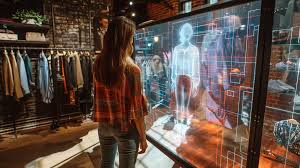
Artificial Intelligence (AI) is reshaping the landscape of virtual try on technology, making it a significant force in the retail sector. Brands are tapping into AI-powered solutions to elevate customer experiences, integrating technology that allows shoppers to virtually try on products from the comfort of their homes. As consumers increasingly seek convenience, virtual try-ons have emerged as essential tools for engaging customers, reducing uncertainty, and enhancing satisfaction. This trend is particularly strong in industries like fashion, beauty, and eyewear, where visual appeal and fit are crucial. By employing sophisticated algorithms and machine learning models, retailers offer customers a chance to visualize products with remarkable precision. The adoption of AI in virtual try-ons signals a transformative shift in how products are marketed and purchased online.

AI Technology as the Core Engine of Virtual Try-On
Computer Vision and Body Tracking Improve Fit Accuracy
One of the primary advancements driving the effectiveness of virtual try-on technology is computer vision combined with body tracking. These technologies offer precision in assessing how a product will fit on a person’s body. Using sophisticated algorithms, computer vision detects facial landmarks and body contours, ensuring that virtual representations are accurate and fitted. Body tracking further refines this process by mapping movements, allowing virtual garments, glasses, or makeup to adjust naturally as the user moves. This dynamic interaction enhances the user experience, bridging the gap between virtual and physical product trials. In essence, these technologies make it easier for customers to imagine wearing the products in real life, leading to greater satisfaction and increased trust in online purchases.
Machine Learning Models Power Realistic Rendering
Machine learning models play a pivotal role in enhancing the realism of virtual try-ons. By analyzing vast amounts of data, these models can predict how light interacts with different materials, enabling high-quality rendering of products on digital models. This is particularly beneficial for industries like beauty and fashion, where visual appeal drives purchasing decisions. The AI algorithms simulate textures, colors, and shades, offering a lifelike preview that can convince even the most skeptical shoppers. Moreover, machine learning continually improves over time, learning from user interactions and feedback to refine accuracy and realism. As these models become more sophisticated, they promise a future where virtual try-ons are indistinguishable from real-world experiences.
Business Drivers Accelerating Virtual Try-On Adoption
How AI Virtual Try-On Increases Conversion Rates
Retailers embracing AI-powered virtual try-ons witness a significant uptick in conversion rates. By allowing users to see how products will look on them, businesses significantly reduce the ambiguity associated with online shopping. Customers are more confident in their choices, ultimately leading to increased sales. AI provides real-time personalization, displaying product recommendations based on individual preferences and previous interactions, further nudging potential buyers towards purchase. This interactive and personalized shopping experience resonates well with today’s consumers who value personalization. Overall, the implementation of virtual try-ons transforms browsers into buyers, highlighting its value as a strategic tool in the retailer’s arsenal to drive growth and profitability.
Reducing Returns and Costs With AI-Powered Try-On
AI-driven virtual try-ons play a crucial role in reducing product returns, a significant cost concern for online retailers. With accurate visualization of fit, color, and style, customers make informed decisions, decreasing the likelihood of receiving products that do not meet expectations. This accuracy minimizes return rates, thus slashing costs associated with reverse logistics. For businesses, fewer returns translate to less operational stress, reduced shipping expenses, and lower environmental impact. Moreover, happy customers who receive the right products quickly become repeat customers, fostering brand loyalty. As a result, AI-powered platforms not only enhance customer satisfaction but also optimize business operations and sustainability.
read more ” Unlock Focus with Ecdysterone Supplement for Entrepreneurs
Real-World Applications and Platform Innovation
Virtual Try-On Use Cases Across Retail Industries
Virtual try-on technology is making waves across multiple retail industries, reshaping how products are marketed and sold. In fashion, customers can experiment with different clothing combinations without stepping into a physical store. Beauty brands allow users to test out various shades of makeup virtually, enhancing product exploration and discovery. Eyewear companies offer virtual try-ons for glasses, enabling users to assess styles and fits to choose the best frames. This cross-industry adoption underscores the technology’s versatility and its potential to transform the shopping landscape. Brands utilizing virtual try-ons differentiate themselves by offering unparalleled convenience, fostering engagement, and driving innovation in the customer experience realm.
How TRTC Virtual Try-On Supports Scalable AI Deployment
TRTC’s virtual try-on platform exemplifies how AI solutions can scale across diverse retail environments. It provides retailers with tools to implement virtual try-on capabilities quickly, without the need for extensive technical expertise or infrastructure investment. The platform’s modular design allows customization, catering to specific industry needs and enhancing business agility. By enabling rapid deployment, TRTC helps brands stay competitive in a fast-evolving market. The platform’s scalability ensures that as businesses grow, their digital solutions can expand seamlessly, accommodating more users while maintaining performance. This strategic capability positions TRTC as a leader in scalable AI-driven innovations, driving further growth and adoption amongst modern retailers.

Conclusion
AI is undeniably at the forefront of driving growth in virtual try-on technology, reimagining customer interactions and retail landscapes. From fashion to beauty and eyewear, this technology’s impact is vast and transformative. AI enhances personalization, reduces returns, and increases conversion rates, making it invaluable for businesses. Both customers and companies benefit as online experiences become more immersive and informed. As AI virtual try-ons continue to evolve, they promise a future where the virtual seamlessly integrates with the physical, delivering a cohesive and satisfying shopping journey. The possibilities are vast, and those harnessing AI’s potential today are shaping tomorrow’s retail innovation.
