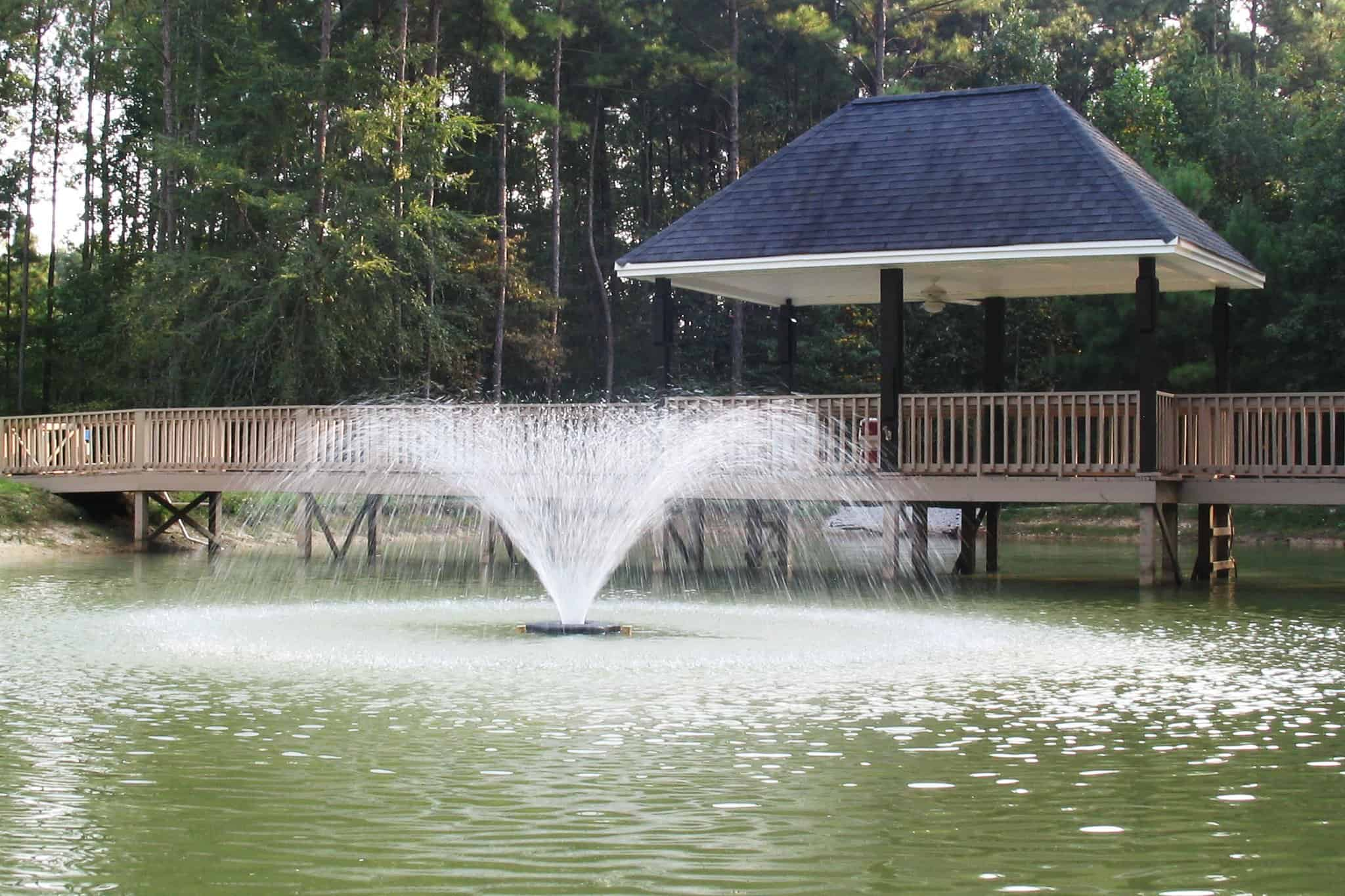
There’s something missing from even the most carefully designed garden. You can have the perfect plants, the right lighting, and a beautiful pond, but without the movement and sound of water, the space feels static. A garden needs that living element, the gentle splash and ripple that draws you outside and makes you want to stay there. Water in motion transforms a nice backyard into a retreat you actually use and enjoy.
Adding pond fountains to your water feature changes everything about how your outdoor space feels and functions. The visual appeal is obvious, but what happens beneath the surface matters just as much. A fountain doesn’t just sit there looking pretty. It actively improves water quality, supports fish and plants, and creates an environment that stays balanced with less effort on your part. You get beauty and practicality in one investment.
The Emotional Impact of Flowing Water
Creating Your Personal Sanctuary: Modern life doesn’t slow down much, and your home should offer an escape from that constant noise and pressure. A fountain provides something you can’t get from a still pond. The sound of water moving has a measurable effect on stress levels and mental clarity. Studies show that natural water sounds help lower cortisol and create the kind of calm that actually sticks with you after you go back inside.
Sensory Engagement That Grounds You: Visual movement combined with gentle sound creates a multi-sensory experience that pulls your attention away from screens and worries. You find yourself watching the patterns, listening to the rhythm, and maybe noticing things you’d otherwise miss. Birds that come to drink. The way light catches the spray. These small moments add up to a quality of life improvement that’s hard to quantify but easy to feel once it’s there.
Drawing You Outdoors More Often: A static pond might look nice from your window, but a fountain gives you a reason to actually step outside. You’ll notice yourself spending more time in your garden, whether that’s morning coffee, evening relaxation, or just a few minutes between tasks. That regular connection with your outdoor space improves mood and gives you something to look forward to throughout your day.

The Practical Benefits You Can’t Ignore
Aeration That Saves Your Pond: Stagnant water creates problems fast. Without circulation, oxygen levels drop, and that’s when you start seeing algae blooms, murky water, and stressed fish. A fountain pulls water from below and exposes it to air at the surface. This constant exchange keeps oxygen levels where they need to be. Your pond stays clearer with less chemical intervention, and aquatic life thrives instead of just surviving.
Temperature Regulation Through Movement: Still water stratifies, meaning warm water sits on top while cold water stays at the bottom. This creates dead zones where nothing can live properly. A fountain breaks up these layers and distributes temperature more evenly throughout the pond. During hot summer months, this circulation prevents the kind of overheating that stresses fish and accelerates algae growth. Your ecosystem stays balanced naturally.
Mosquito Control Without Chemicals: Standing water attracts mosquitoes because that’s where they lay eggs. Moving water disrupts their breeding cycle completely. A fountain keeps the surface in constant motion, making your pond an inhospitable environment for these pests. You get fewer bites and less disease risk without spraying anything or adding treatments that might harm beneficial insects or fish you’re trying to protect.
Reducing Maintenance Time and Costs: When your pond circulates properly, you spend less time fighting problems and more time enjoying the space. Algae growth slows down. Debris doesn’t settle and decay in corners. Water quality stays stable without constant testing and adjusting. The initial investment in a quality fountain pays for itself in reduced maintenance supplies and the hours you’re not spending trying to fix preventable issues.
Choosing the Right Fountain for Your Space
Matching Size to Pond Volume: A fountain that’s too small won’t circulate your pond effectively, while one that’s too powerful creates excessive spray and noise. Calculate your pond’s gallons first. For most backyard ponds between 500 and 2,000 gallons, you’ll want a fountain that moves 50-100 gallons per hour per 100 gallons of pond volume. This ensures adequate turnover without overwhelming the space or creating water loss from excessive splashing.
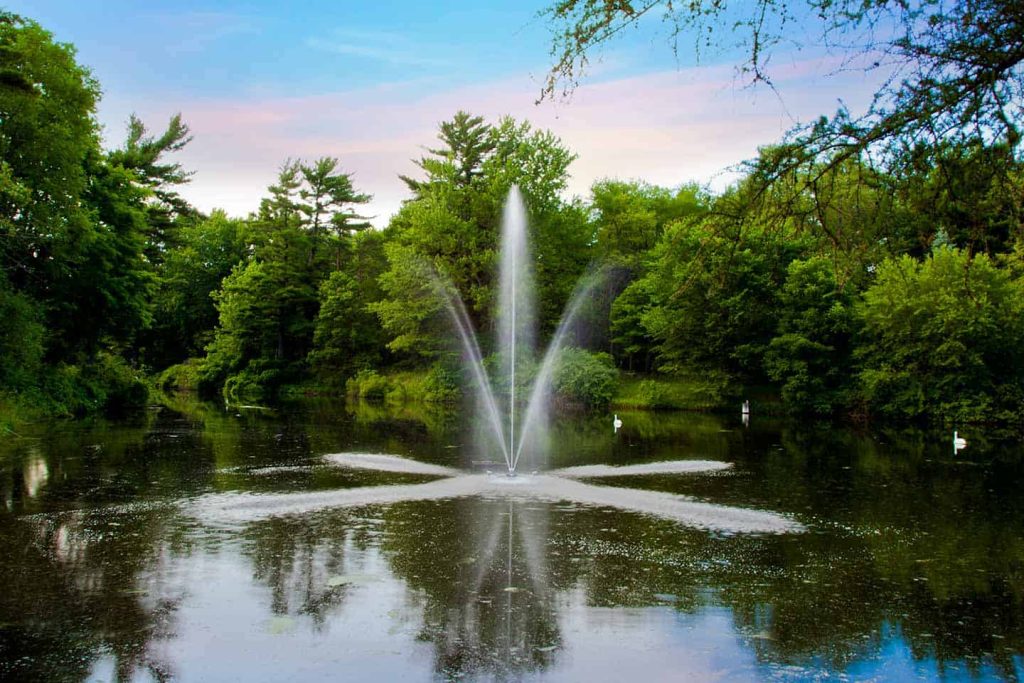
Style Considerations That Matter: Fountain designs range from simple bubbling columns to elaborate tiered displays with multiple spray patterns. Consider what fits your garden’s aesthetic and how much visual drama you want. A naturalistic pond benefits from a gentle, organic spray pattern. A formal garden might call for something more structured and symmetrical. Think about viewing angles too, because you’ll be looking at this from your house and patio.
Understanding Power Requirements: Most residential fountains run on standard 120-volt electricity, but you’ll need a GFCI-protected outlet near your pond. Some larger models require more power or specialized electrical work. Factor in operating costs as well. A fountain running continuously adds to your electric bill, though modern pumps are surprisingly efficient. Solar options exist for smaller installations, though they typically offer less power and shorter run times.
Installation and Placement Tips
Depth and Positioning Strategy: Place your fountain where it gets maximum visual impact but doesn’t interfere with pond ecology. Avoid putting it directly over fish shelters or plant beds where constant disturbance causes stress. Most floating fountains work best in water at least two to three feet deep. Shallow placement means the intake might pull debris or hit bottom, reducing efficiency and potentially damaging the pump over time.
Seasonal Adjustments Worth Making: Running your fountain year-round isn’t always the best choice. In regions with freezing winters, you’ll need to pull the unit before ice forms to prevent damage. Even in milder climates, reducing spray height during windy months prevents excessive water loss. Some owners run their fountains only during peak viewing hours to balance aesthetic enjoyment with energy costs and equipment longevity.
Maintenance Access Planning: You’ll need to clean the intake screen regularly and check the pump periodically. Make sure you can reach your fountain easily without wading into deep water or balancing on slippery rocks. Consider how much effort you’re willing to put into upkeep. Some designs require more frequent attention than others, and that reality should influence your choice before you buy rather than after you’ve committed.
Design Integration With Your Landscape
Lighting That Extends Enjoyment: Adding underwater or accent lighting to your fountain creates nighttime drama that extends your outdoor season. The combination of moving water and light produces effects you can’t achieve with either element alone. Position lights to highlight spray patterns without creating harsh glare. Warm white typically looks more natural than colored options, though personal preference matters more than strict rules here.
Plant Partnerships That Work: Some aquatic plants tolerate fountain spray while others struggle with constant moisture on their leaves. Water lilies and lotus need calm water, so keep them away from the fountain’s reach. Marginal plants like iris and rushes can handle some splash and actually benefit from the improved oxygenation. Think about how your plant placement interacts with water movement rather than treating them as separate design elements.
Surrounding Hardscape Choices: The area around your pond influences how you experience the fountain. Seating placed where you can see and hear the water enhances the relaxation effect. Pathways that lead to viewing spots encourage regular visits. Consider sound reflection too, because water splashing near hard surfaces like walls or patios amplifies the effect. This can be pleasant or overwhelming depending on volume and proximity.
Water Quality Benefits You’ll Notice
Clarity Improvements Over Time: Within weeks of installing a fountain, most pond owners see noticeably clearer water. The constant circulation prevents particles from settling and promotes beneficial bacteria growth. These microorganisms break down organic waste more efficiently when oxygen levels stay high. You get that clean, fresh appearance without harsh chemicals or expensive filtration systems that require constant filter changes and maintenance.
Supporting Beneficial Pond Biology: A healthy pond ecosystem depends on balance between different organisms. Fish need oxygen. Plants need nutrients. Beneficial bacteria need both. A fountain creates conditions where all these elements work together instead of competing. You’ll see stronger plant growth, more active fish, and fewer disease outbreaks because the environment supports life at every level rather than creating stress points.
pH Stability Through Gas Exchange: Stagnant ponds experience pH swings that stress aquatic life and promote algae. Moving water facilitates gas exchange, releasing excess carbon dioxide while absorbing oxygen. This natural process helps stabilize pH levels without constant testing and chemical adjustments. Your pond maintains the slightly alkaline conditions most fish and plants prefer, and you spend less time trying to correct imbalances.
Common Mistakes to Avoid
Here are the issues that cause most fountain problems and disappointments:
- Undersizing the pump for pond volume, which results in inadequate circulation and persistent water quality problems that require constant intervention.
- Ignoring seasonal weather patterns and running fountains during freezing conditions, leading to expensive pump damage and potential structural issues with the pond itself.
- Placing fountains too close to the pond edge where wind carries spray outside the basin, resulting in significant water loss and the need for frequent refilling.
- Neglecting regular intake screen cleaning, which allows debris buildup that reduces pump efficiency and eventually causes complete failure requiring costly replacement.
- Skipping the GFCI electrical protection that prevents dangerous shocks around water, creating serious safety hazards for anyone near the pond.
Conclusion
A fountain represents more than decorative improvement to your pond. It fundamentally changes how the space functions and how you interact with it. The combination of visual interest, soothing sound, and practical water quality benefits creates an outdoor environment that genuinely enhances daily life rather than just looking good in photos. When you invest in the right fountain for your specific pond size and style, you’re building something that pays dividends in relaxation, reduced maintenance, and a healthier ecosystem. Take time to assess your space, consider your needs, and choose equipment that matches both. Your garden deserves that moving water element that brings everything together.
