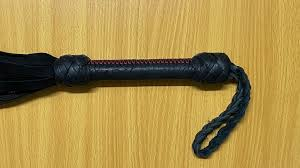
Flogger stands complete as designed tools fashioned through quality materials to deliver function together with long-lasting durability. Your usage purpose whether performance, training, or collection demands dedicated maintenance to maintain structure and look as well as safety for extended life span. All leather-based accessories together with mixed materials must receive regular maintenance since lack of care creates cracks alongside odors and also weakens their handles and strands. This Flogger Maintenance Checklist for Long-Term Care exists specifically to help you maintain your gear’s durability—particularly concerning leather whip floggers which need targeted protection measures.
Why Regular Flogger Maintenance Matters
Floggers experience repeated motion stress, friction, and exposure to oils from hands and the environment. Over time, this can cause:
- Drying and cracking of leather strands
- Weakening of the handle or binding
- Unpleasant odors from moisture buildup
- Loss of flexibility and balance
Routine maintenance not only protects your investment but also ensures the flogger remains safe and comfortable to use.
1. Post-Use Inspection Checklist
After each use, perform a quick visual and tactile inspection.
Check the following:
- Are any strands splitting, fraying, or thinning?
- Is the handle still firm and tightly wrapped?
- Are knots, caps, or end bindings secure?
- Is there excess moisture or residue on the surface?
Early detection of wear prevents minor issues from becoming permanent damage.
2. Cleaning Your Flogger Properly
Cleaning should be gentle and infrequent—over-cleaning can be just as harmful as neglect.
For Leather Floggers
If you own a leather whip flogger, follow these steps:
- Use a soft, dry cloth to wipe off dust and surface residue
- For deeper cleaning, lightly dampen a cloth with water (never soak)
- Avoid harsh soaps, alcohol, or chemical cleaners
- Allow to air dry naturally away from heat or sunlight
For Synthetic or Mixed Materials
- Use mild soap diluted in water
- Wipe gently and dry thoroughly
- Ensure no moisture remains in seams or knots
3. Conditioning Leather for Longevity
Leather needs conditioning to maintain flexibility and strength.
Best practices:
- Condition every 3–6 months depending on usage
- Use a high-quality leather conditioner or balm
- Apply sparingly with a soft cloth
- Work conditioner into strands evenly
- Remove excess product to avoid buildup
Proper conditioning prevents cracking and keeps a leather whip flogger supple and responsive.
4. Drying and Moisture Control
Moisture is one of the biggest enemies of long-term flogger care.
Important tips:
- Never store a flogger while damp
- Avoid bathrooms or humid environments
- If exposed to moisture, let it hang freely to dry
- Never use hair dryers, heaters, or direct sun
Slow, natural drying preserves material integrity.
5. Safe Storage Guidelines
How you store your flogger directly impacts its lifespan.
Ideal Storage Conditions
- Cool, dry, and well-ventilated area
- Away from direct sunlight
- Free from sharp edges or heavy pressure
Storage Methods
- Hang vertically to avoid bending strands
- Lay flat in a breathable fabric bag
- Avoid plastic bags that trap moisture
Long-term compression or folding can permanently deform strands.
6. Handle and Core Maintenance
The handle often absorbs the most stress.
Checklist:
- Ensure wrapping remains tight
- Check stitching or binding regularly
- Tighten or repair loose sections early
- Clean handle oils with a dry cloth
For wooden or metal handles, ensure no cracks, rust, or sharp edges develop.
7. Odor Prevention and Freshness
Leather naturally absorbs scent over time.
Prevent odors by:
- Allowing airflow after use
- Avoiding scented sprays or perfumes
- Using cedar blocks or charcoal sachets nearby
- Never sealing in airtight containers
If odors develop, airing out in a shaded, dry place usually resolves the issue.
8. Travel and Transport Care
When transporting your flogger:
- Wrap loosely in soft fabric
- Avoid tight coils or bends
- Keep separate from sharp objects
- Allow to breathe after unpacking
For frequent travel, consider a dedicated breathable storage case.
9. Periodic Deep Maintenance (Quarterly Checklist)
Every few months, perform a full care routine:
- Full inspection of strands and handle
- Gentle cleaning if needed
- Leather conditioning (for leather models)
- Air drying and reshaping
- Storage reassessment
This routine significantly extends the usable life of your flogger.
10. When to Repair or Retire a Flogger
Even with perfect care, materials age.
Signs repair is needed:
- Minor fraying or loose binding
- Slight handle loosening
Signs it may be time to retire:
- Deep cracks in leather
- Structural handle damage
- Broken internal core
Continuing to use damaged equipment can reduce performance and safety.
Final Thoughts
Floggers go beyond being accessories—they include handcrafting which makes these pieces worthy of admiration. Following a regular checkup schedule and cleaning with moderate products and correct storage choices will help you preserve your equipment’s prime state throughout lengthy periods. People using a leather whip flogger must pay extra care to maintain moisture balance together with conditioning because excellent leather treatment results in extended usage quality.
